
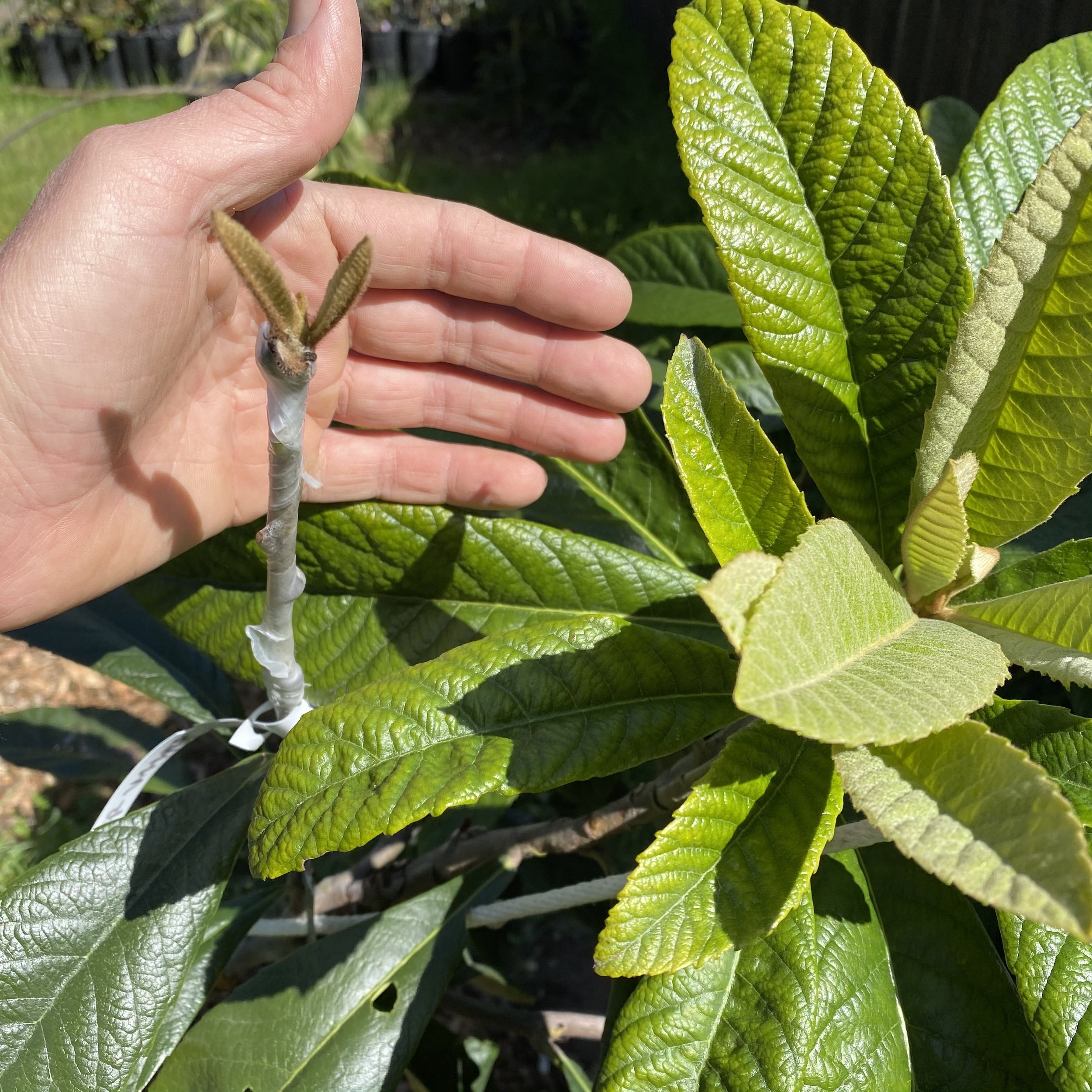
Eriobotrya japonica - Loquat, biwa cha (Japan), pipa, nespolo
BACKGROUND AND HISTORY
Eriobotrya japonica has been called Loquat, or Japanese plum and Japanese medlar. To the Italians, it is nespola giapponese; to French-speaking people, it is néflier du Japon, or bibassier. In the German language, it is japanische mispel, or wollmispel; in Spanish, nispero, nispero japonés, or nispero del Japón; in Portuguese, ameixa amarella, or ameixa do Japao.
Loquat (Eriobotrya japonica Lindl.) is a subtropical evergreen fruit tree originating in southeastern China. It has been cultivated for more than 2000 years. Presumably the fruits and seeds were brought back from China to Japan by the many Japanese scholars visiting and studying in China during the Tang Dynasty. The western world first learned of it from the botanist Kaempfer in 1690. Thunberg, who saw it in Japan in 1712, provided a more elaborate description. It was planted in the National Gardens, Paris, in 1784 and plants were taken from Canton, China, to the Royal Botanical Gardens at Kew, England, in 1787. Soon, the tree was grown on the Riviera and in Malta and French North Africa (Algeria) and the Near East and fruits were appearing on local markets. In 1818, excellent fruits were being produced in hothouses in England. The tree can be grown outdoors in the warmest locations of southern England.
Loquat is now commercially cultivated in more than 30 countries worldwide, including Japan, Turkey, Brazil, Spain, India, Pakistan, Israel, and Italy. China is now the largest producer of loquat fruit with a cultivation area of about 170,000 ha and an annual output of about one million tons.
Loquat is a plant with high medicinal value and different organs that have been used historically as folk medicines for thousands of years. Loquat extracts have been used for the treatment of cough, chronic bronchitis (CB), inflammation, diabetes, and cancer in Chinese folk medicine. Ancient literature, such as the ‘Compendium of Materia Medica’, described the origin, classification, breeding methods, and medicinal value of the loquat tree, and laid the foundation for the development and cultivation of loquat.
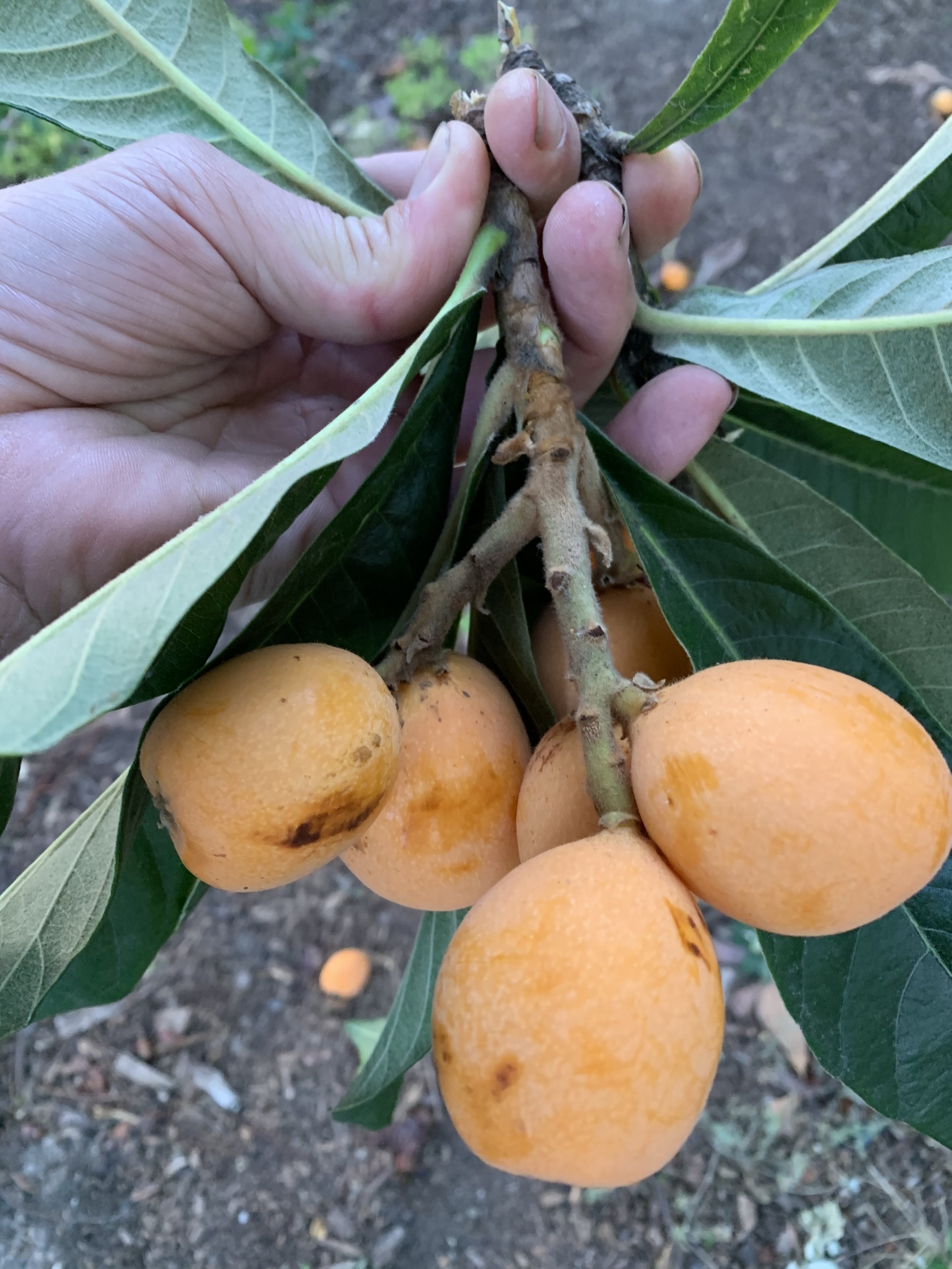
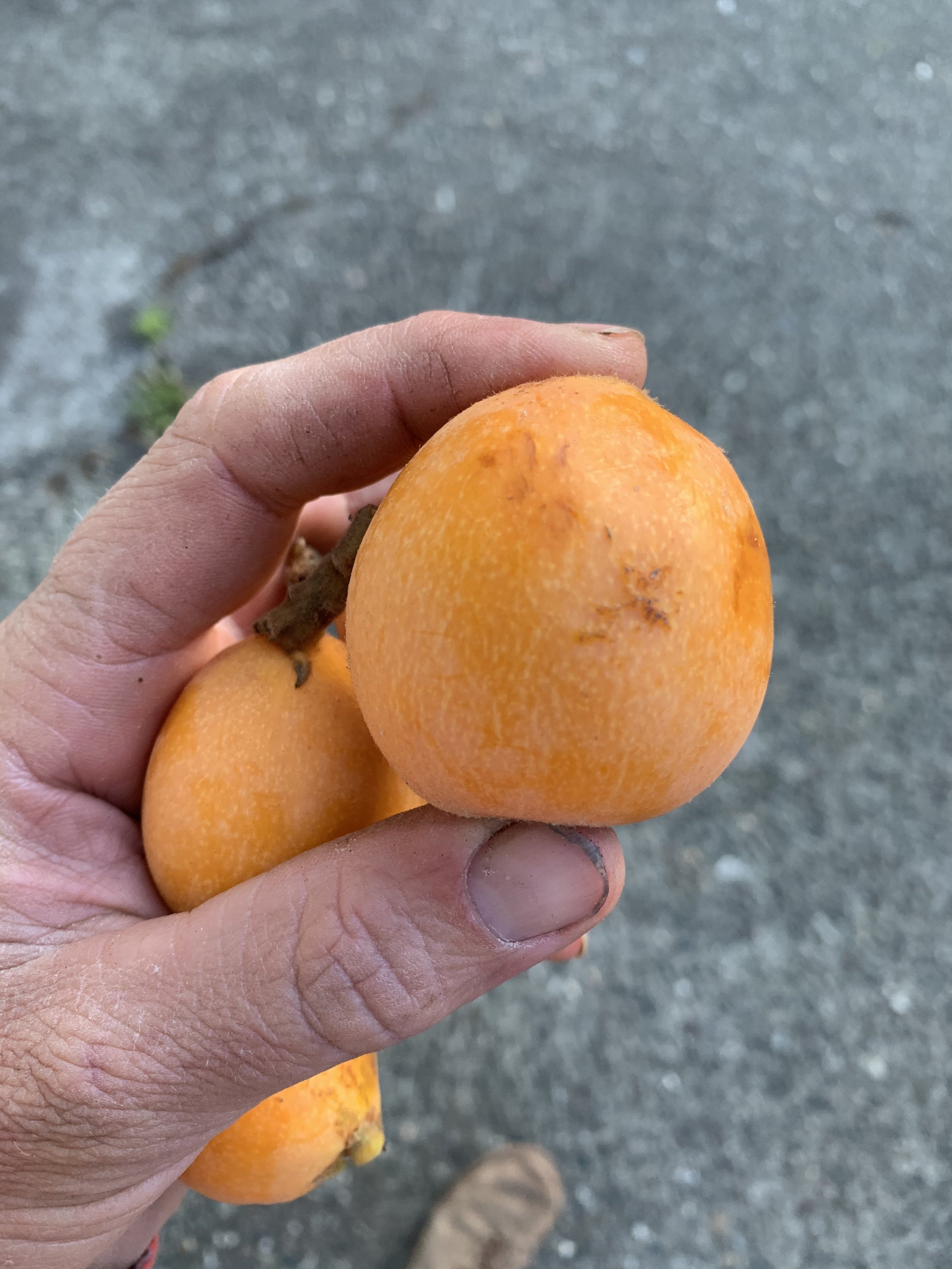
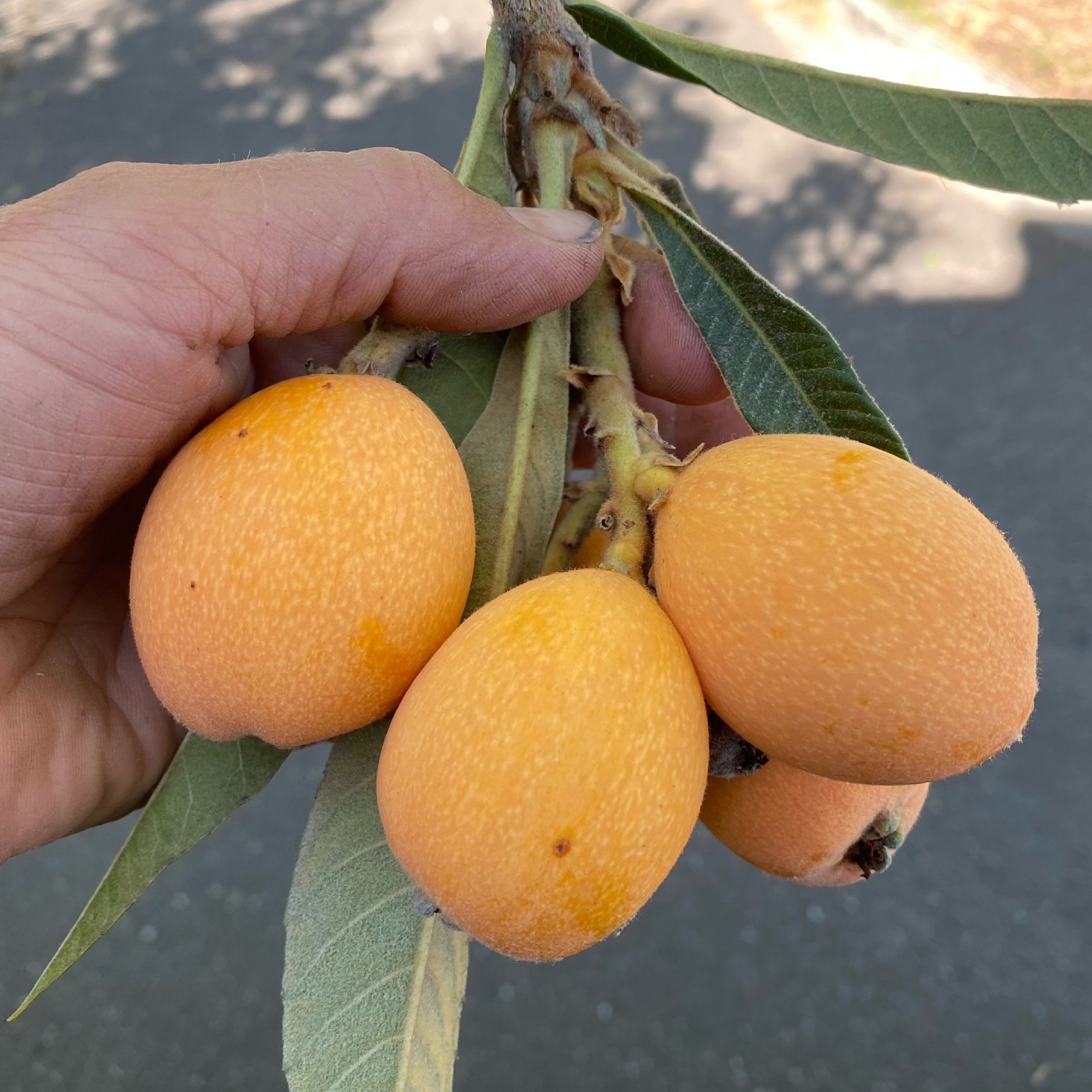
Loquat, is famous for its delicious yellow / apricot / salmon colored fruit. Although the tree will grow relatively well in shorter daylight hours of the tropical, it is most suited in a mediterranean or warm temperate region where it will set fruit more readily and mature larger crops.
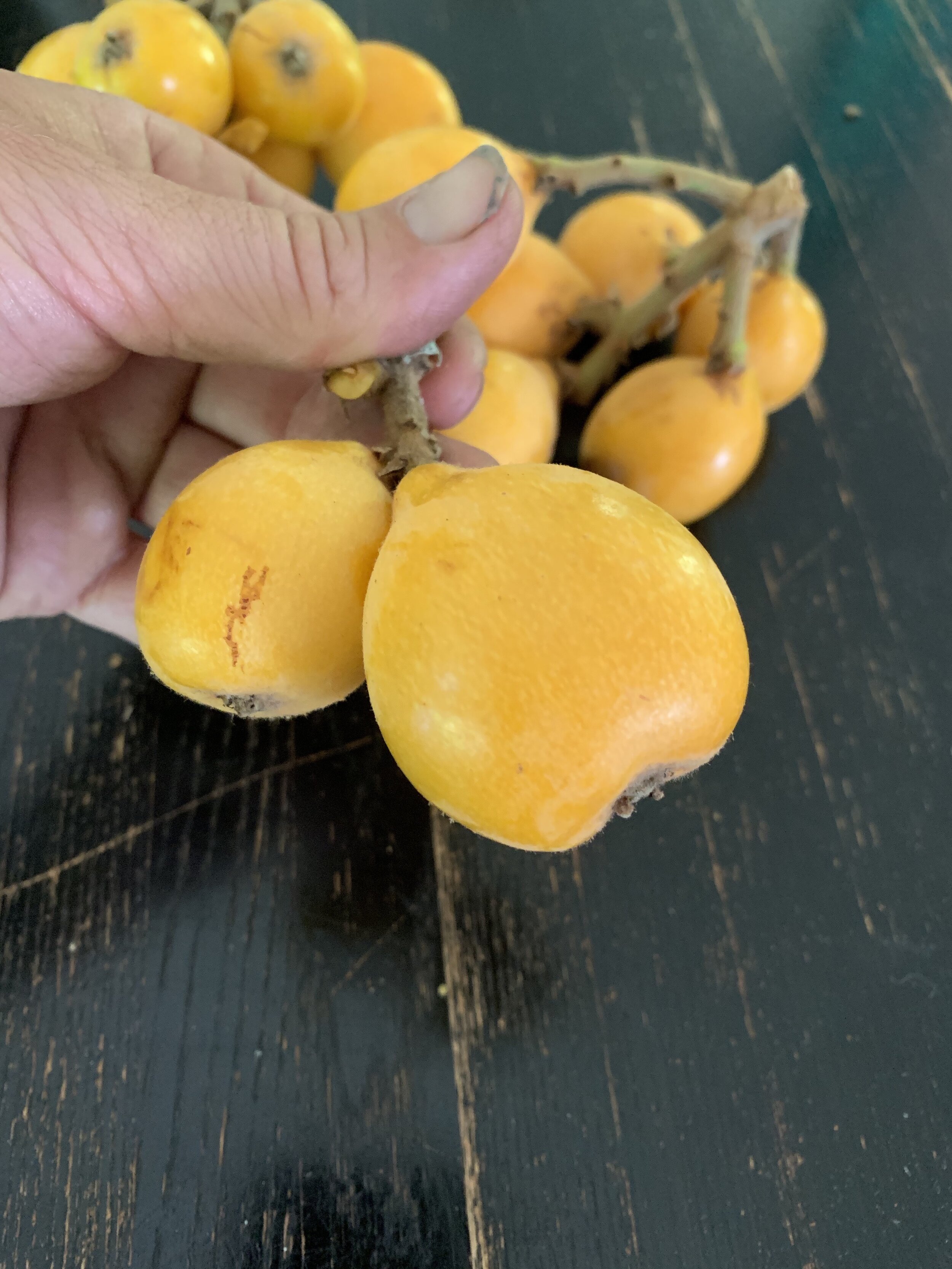
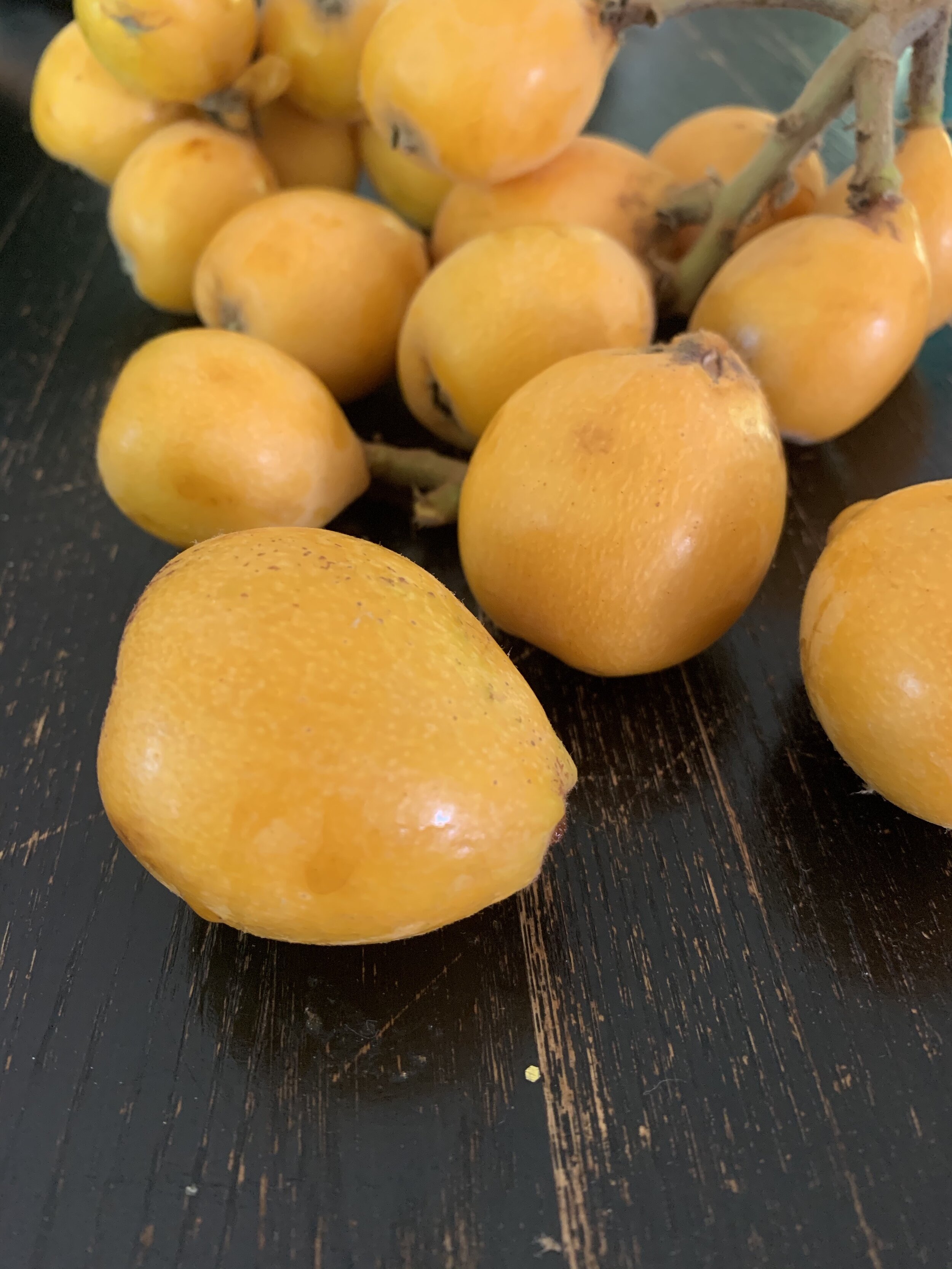
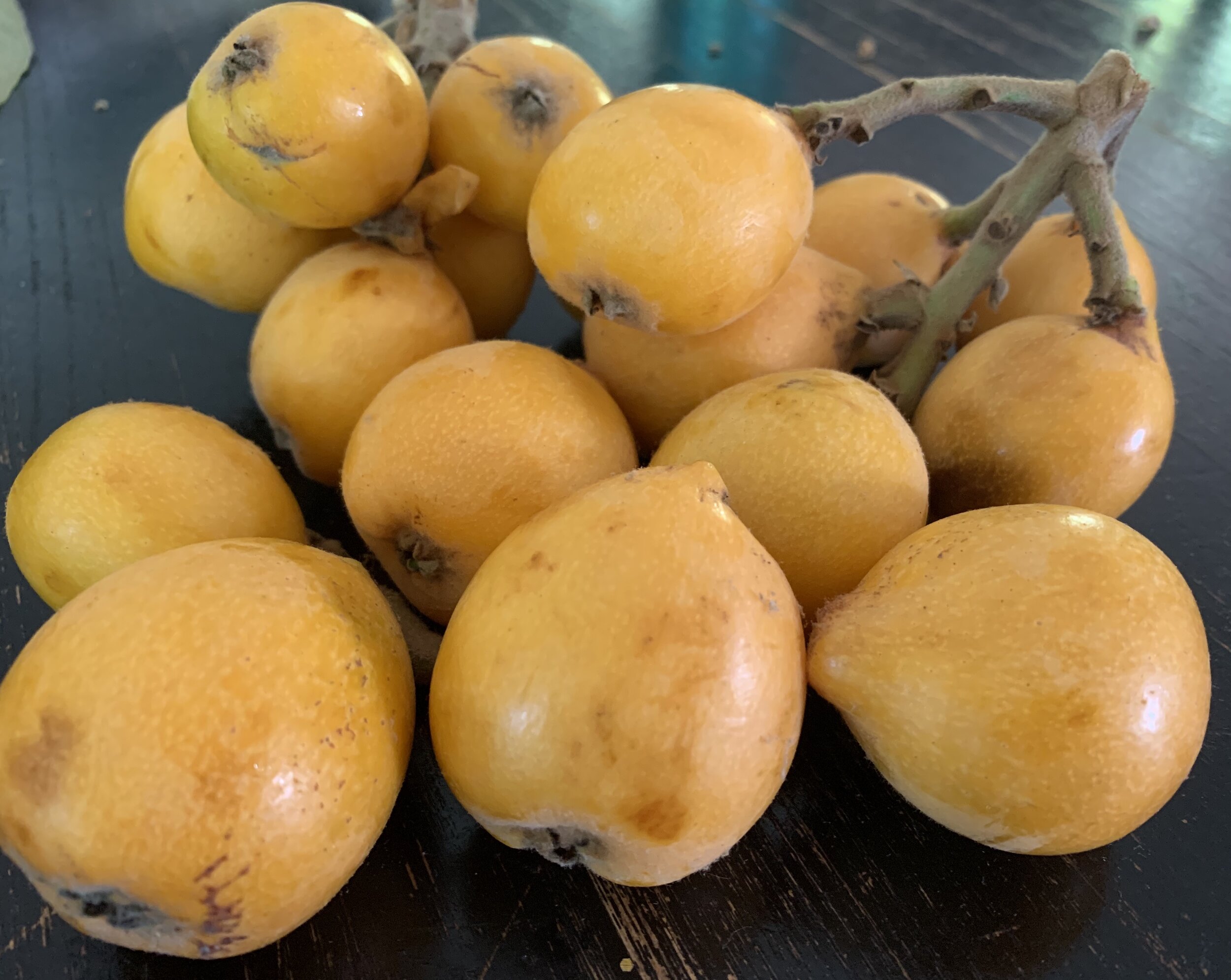
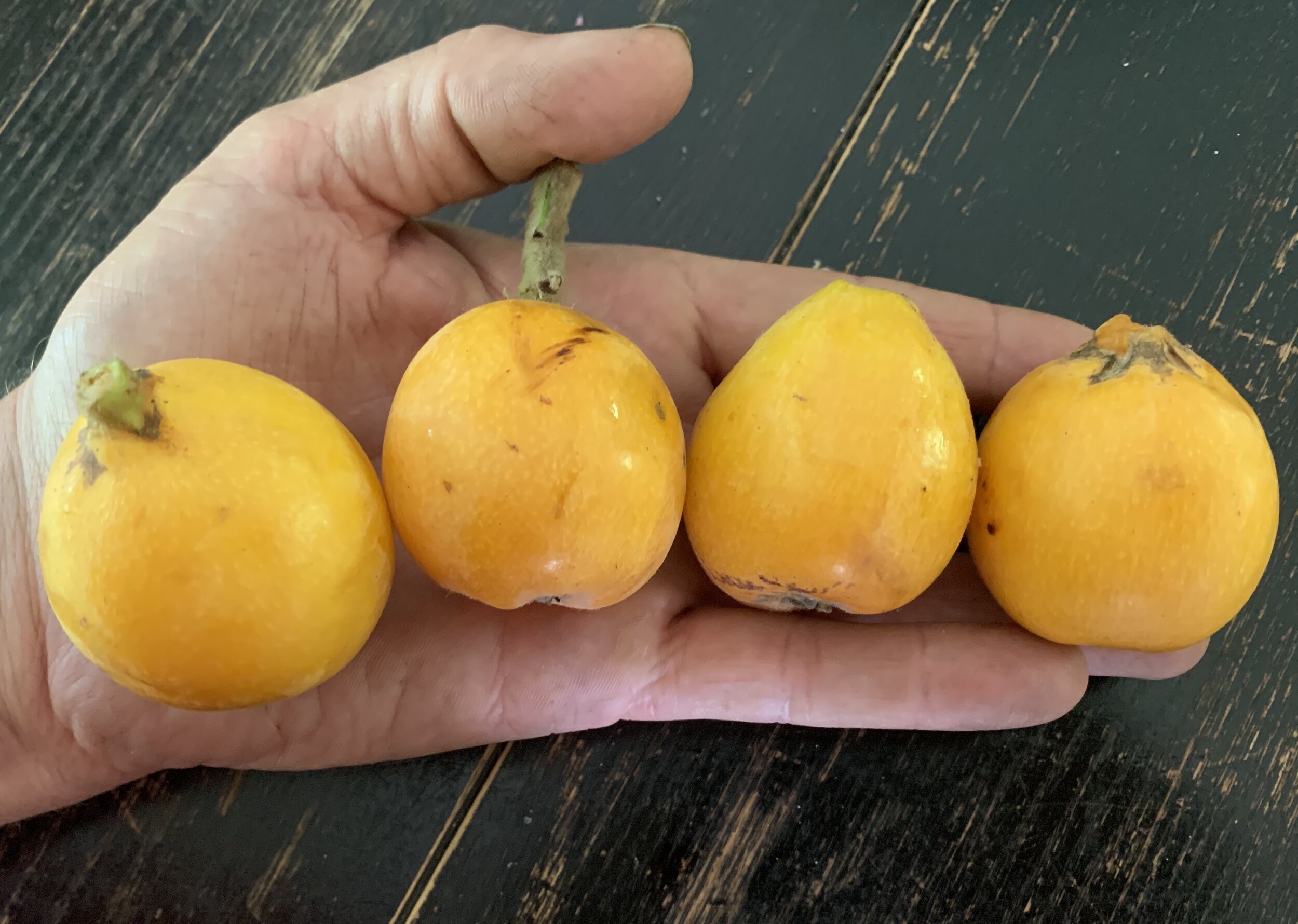
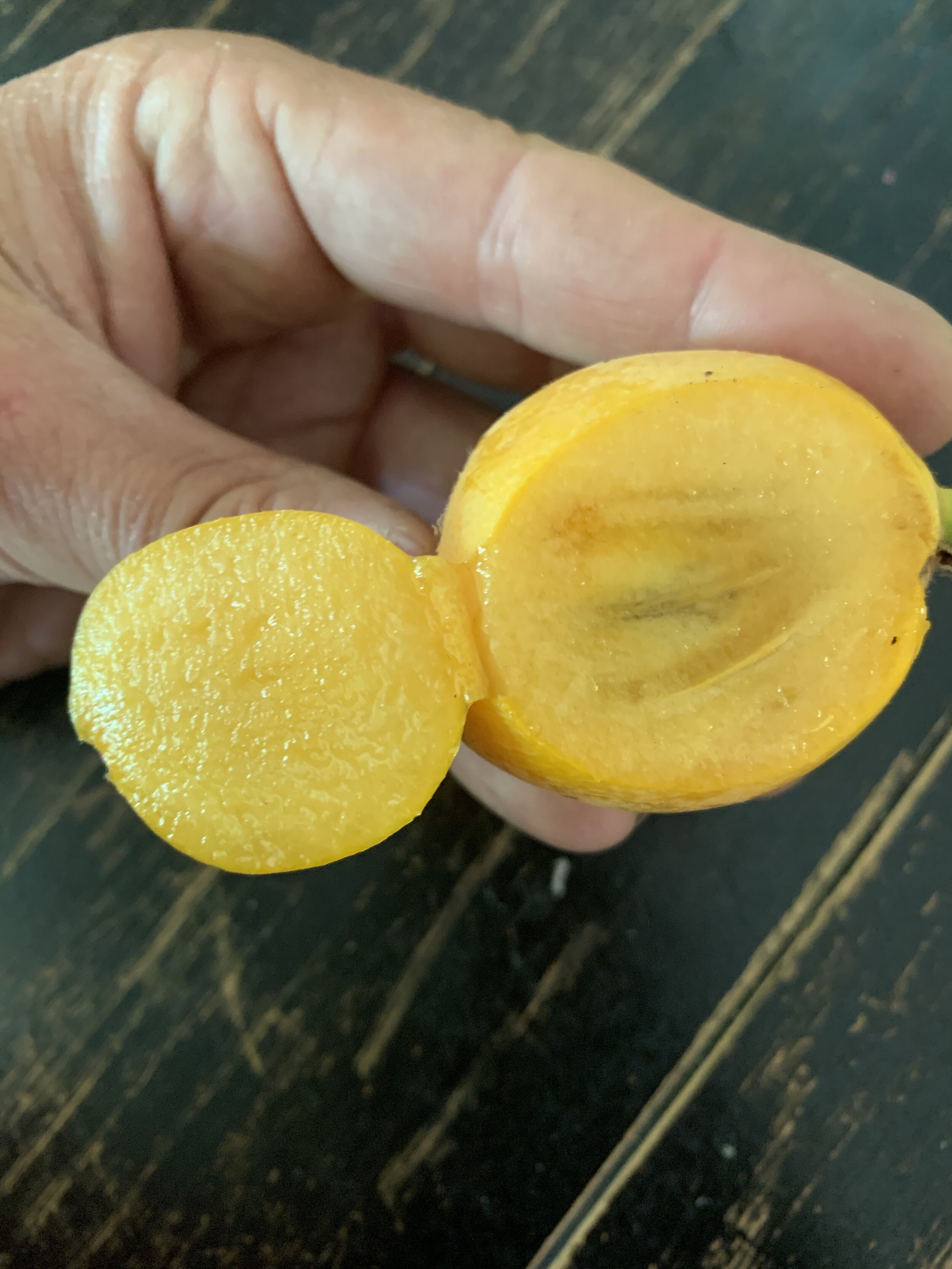
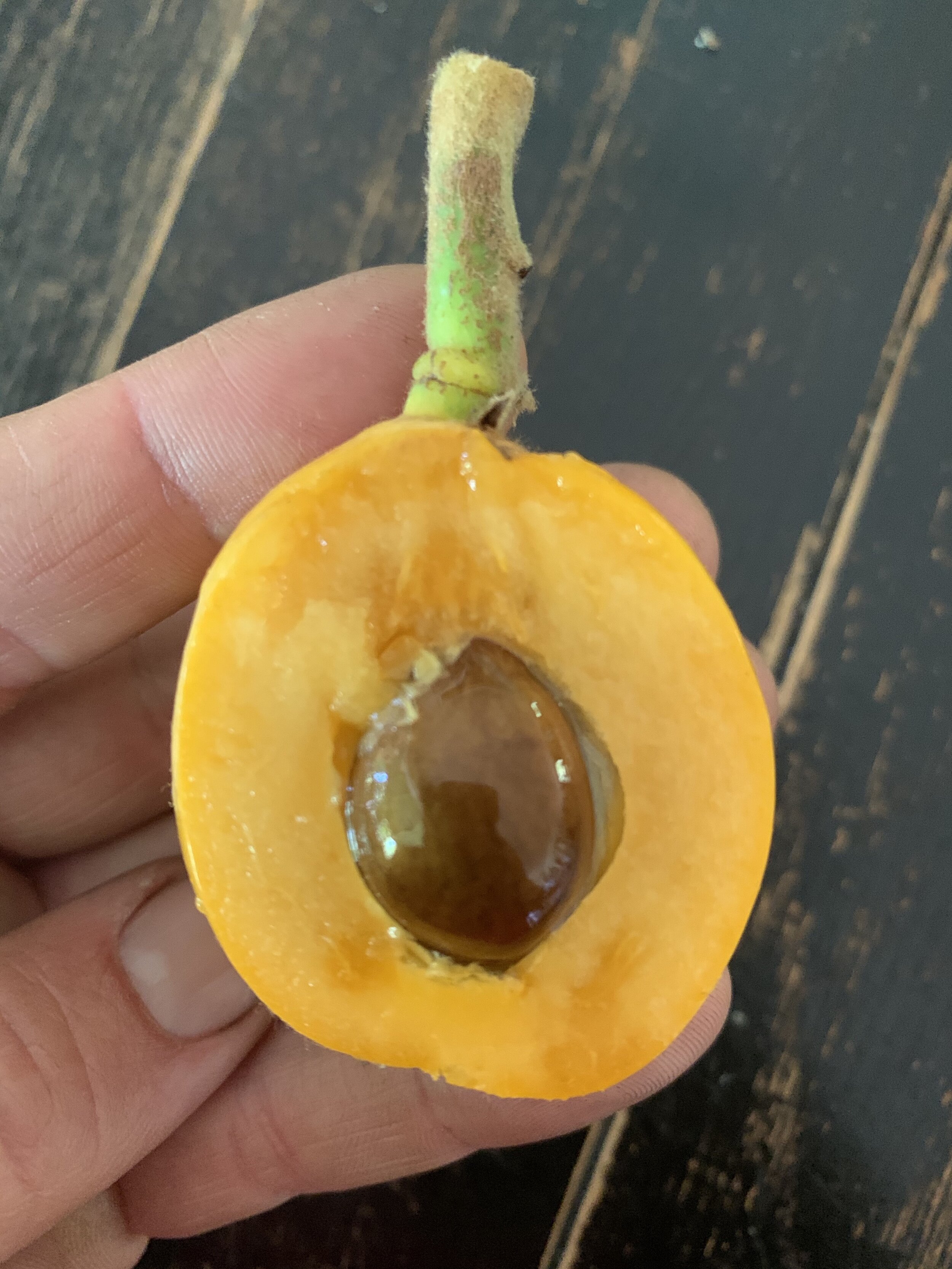
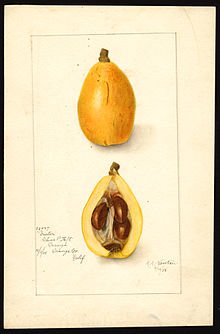
The Loquat tree is notable for its balanced, compact structure and thick, deep green and deeply veined evergreen leaves. The fruit can vary significantly in size and quality. The images here depict a selected variety of Loquat fruit of medium to large size with a single seed. In North America it is more common for people to plant the tree as an ornamental, with little knowledge or regard for the fruit, thus seedling trees are planted with small inferior quality fruit with a higher seed / flesh ratio.
CULTURE
Loquat grows rapidly and needs frequent pruning to keep it manageable and facilitate harvesting. The tree has a shallow root system and may require irrigation at lower elevations. Trees at the 12 Trees Project site, at 430-foot elevation, are given 15 minutes of water daily with a 1/2-gallon per hour emitter. The tree is a heavy feeder and requirements for fertilizer vary greatly depending on location. Generally, in Hawaii, a 1/2 pound of 6-6-6- fertilizer applied evenly spaced 4 times per year to mature trees will ensure good fruit growth. Loquat can be pruned as an espalier or kept low to the ground. Multiple branches on new growth are removed leaving only the top and bottom branches.
In Asia, a number of techniques are used to produce large fruit with high quality. As flowers develop, they should be thinned to 3 bottom stalks (racemes). Depending on the variety, only 3 to 5 fruit are left on each panicle. The fruit should be covered to protect it from fruit fly and to slow coloration. Double bags used in Japan reduce light from reaching the fruit for 80% of fruit development. When that is reached, the outer bag is removed; leaving the inner bag that permits 60% of the light to reach the fruit. Most loquats turn from green to yellow to light orange when ripe.
NUTRITION
Loquat fruits are high in fiber, antioxidants, vitamin a, vitamin c, potassium, and other beneficial minerals. Loquat leaf likewise has a range of health benefits, including blood sugar regulation and anti-inflammatory effects. Another variety of loquat is the Bronze Loquat (E. deflect); this tree produces smaller, darker colored fruit in fall, and is also edible.
HARDINESS
For fruit production Loquats are best planted in Mediterranean, warm temperate and subtropical climates. Although Loquat trees can survive in temperatures down to about 10 degrees F, fruit will likely not survive if flowers are exposed to temperatures falling below 28 degrees F. A relatively short, mild winter is preferable.
“Japanese use loquat leaves as a traditional cure for preventing and treating respiratory ailments.
Loquat leaves also contain compounds demonstrated to lower blood's lipid and sugar levels and alleviate inflammatory skin conditions, including atopic dermatitis (eczema.)
Loquat leaves are listed for their health benefits in Japanese Pharmacopoeia (Nippon Yakkyoku-hō,) the official record of approved medicinal herbs, published by the Government of Japan since 1886.” Wawaza.com
Links:
Biological Activities of Extracts from Loquat (Eriobotrya japonica Lindl.): A Review
This is the most informative video I’ve found on loquats:







Aronia melanocarpa - Black Chokeberry

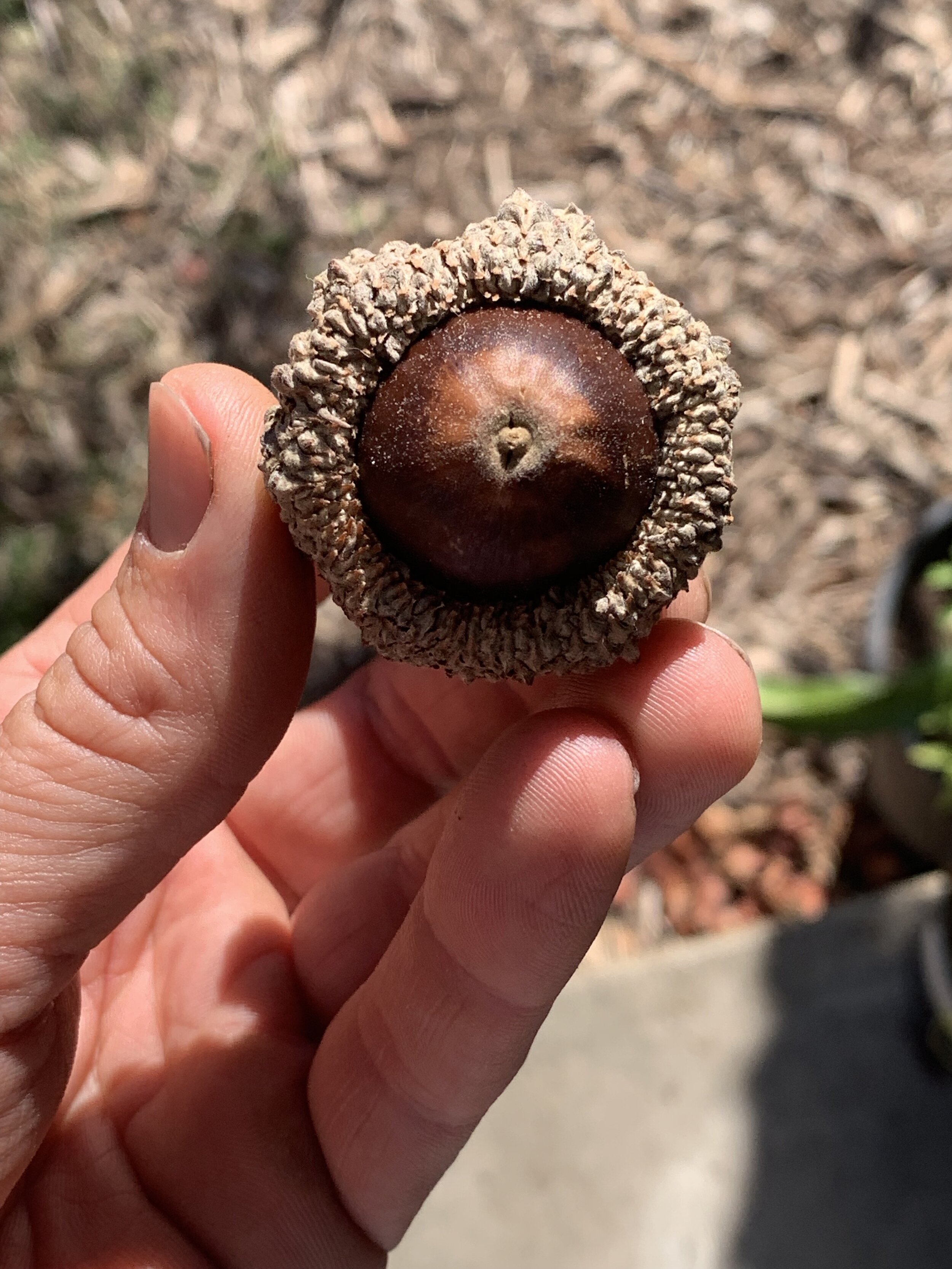
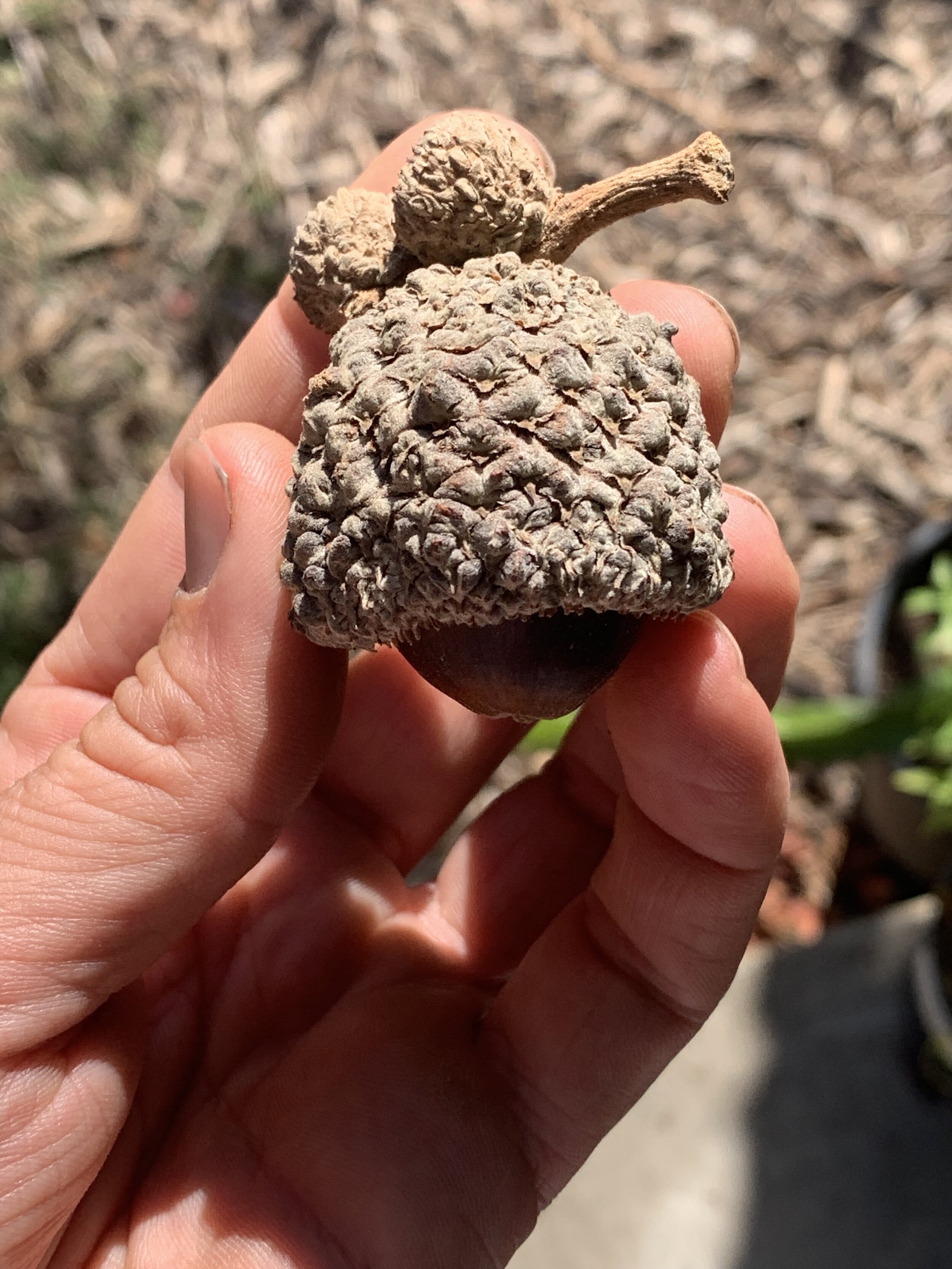
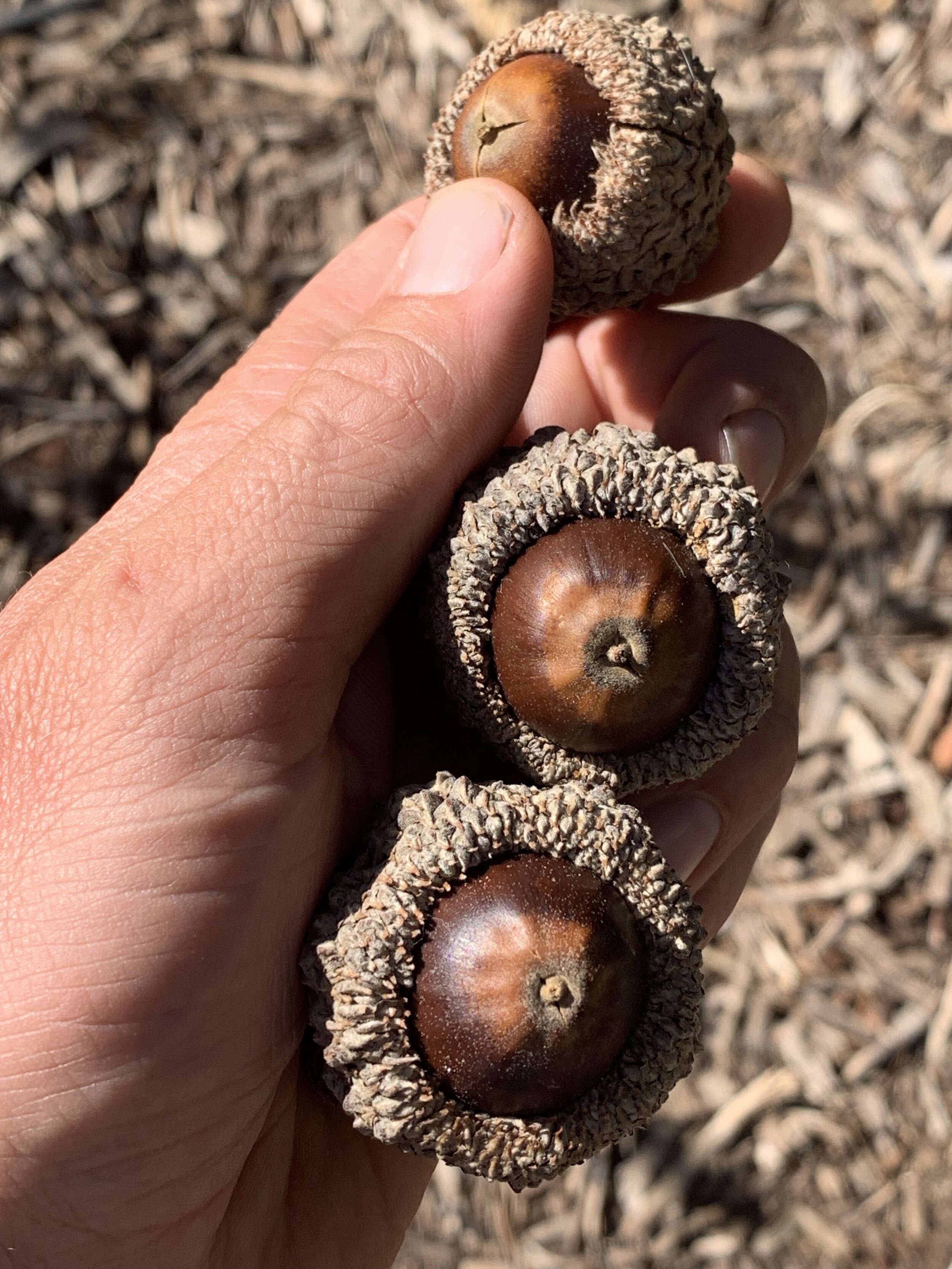
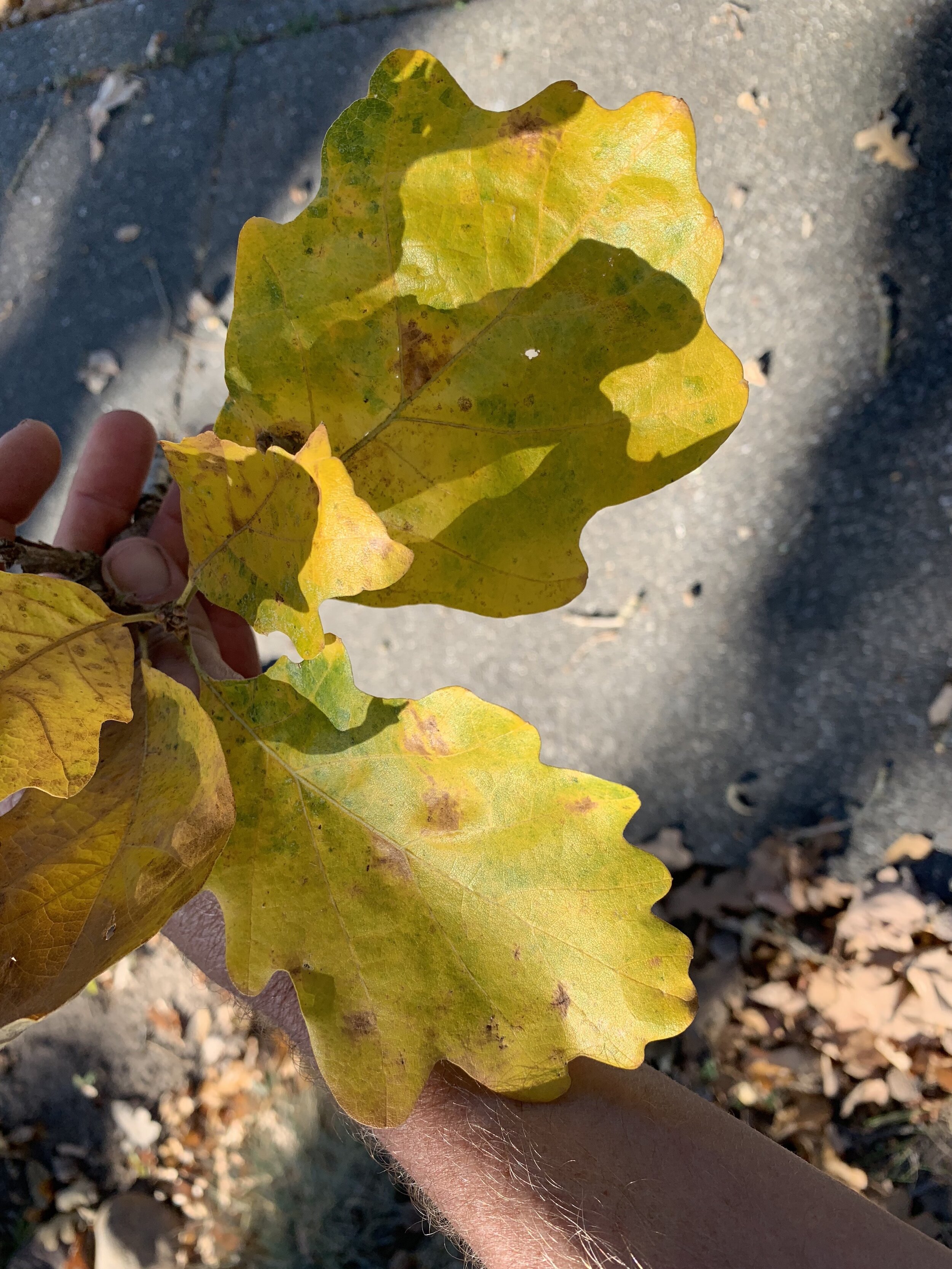
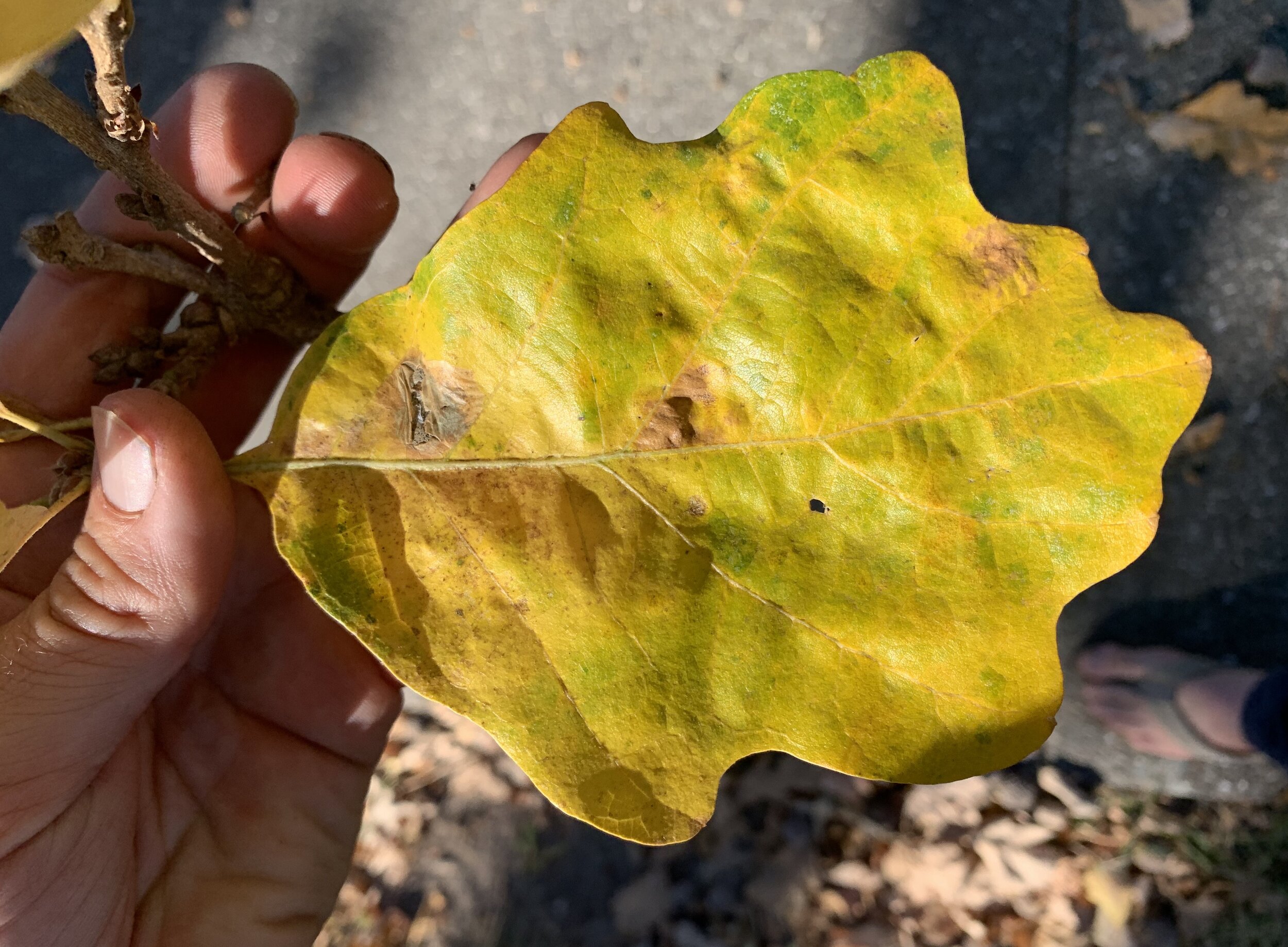
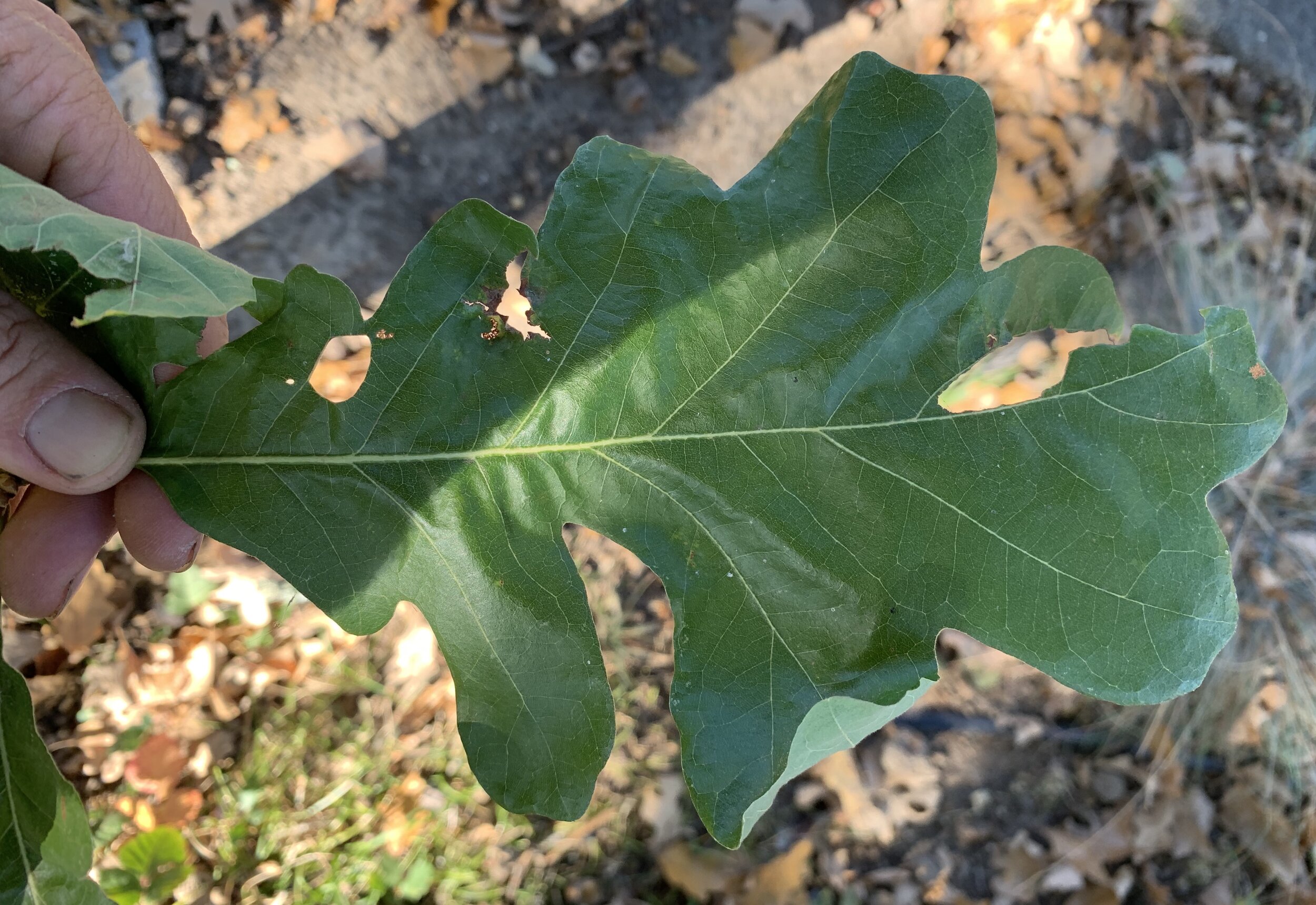
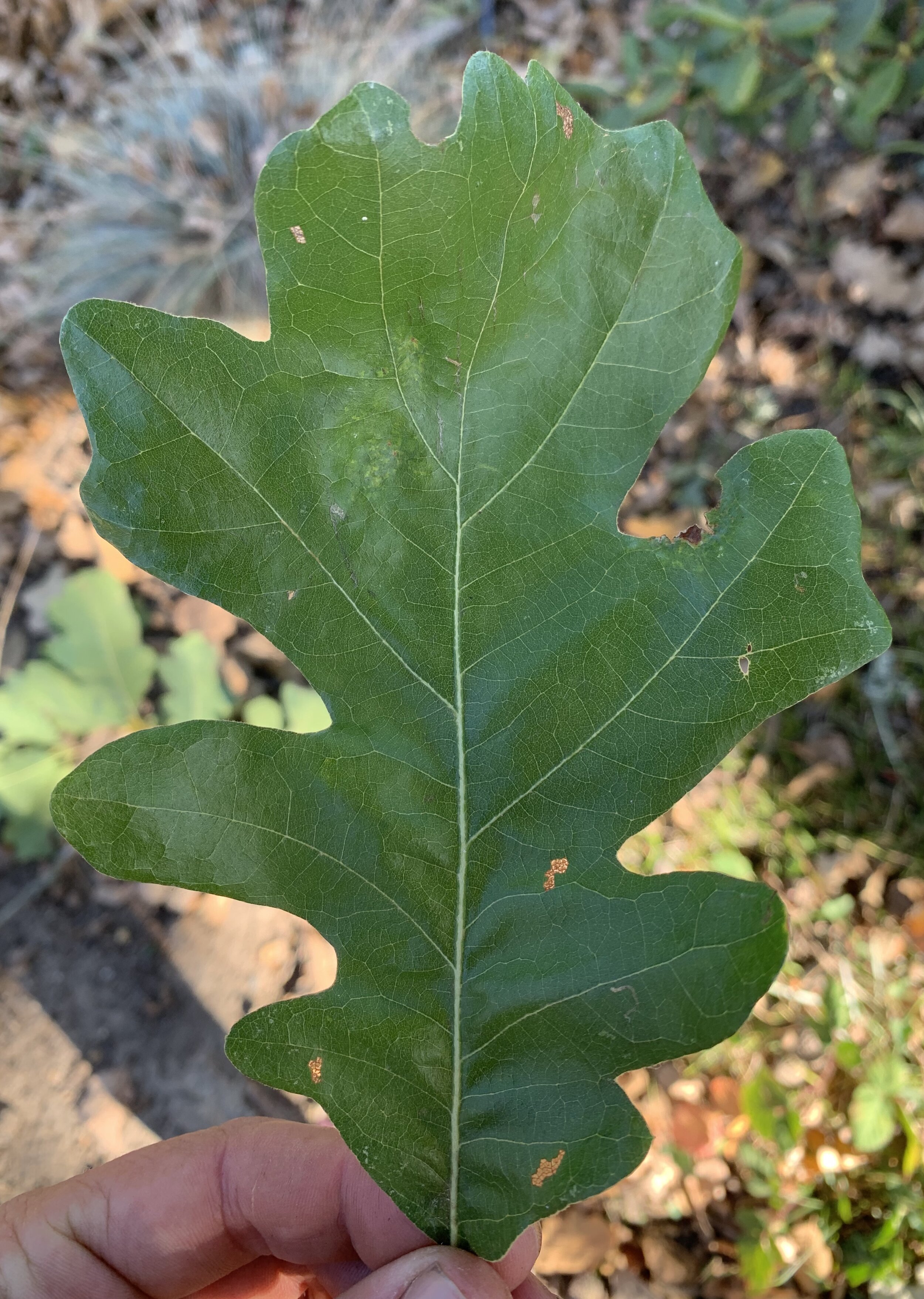
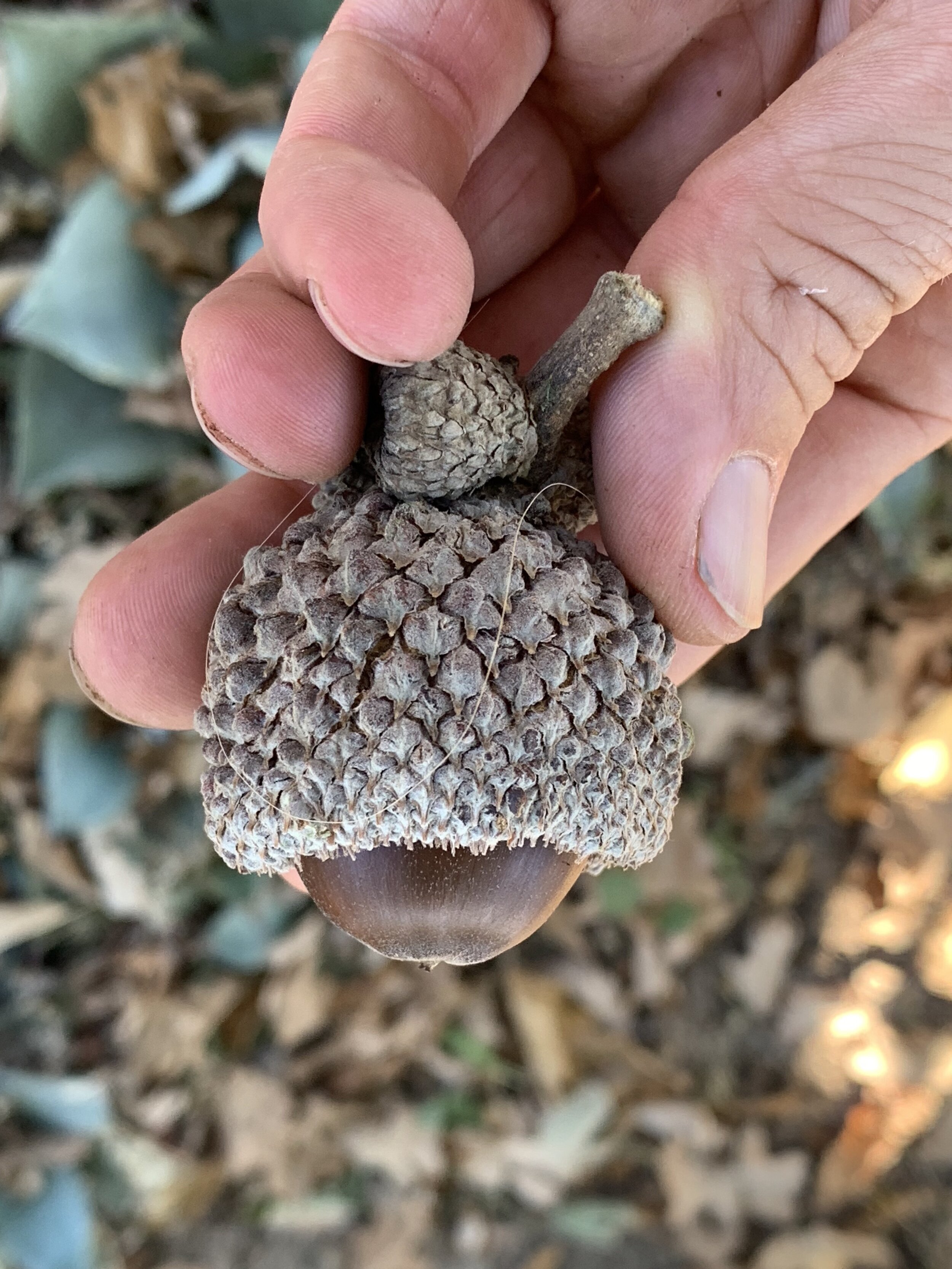
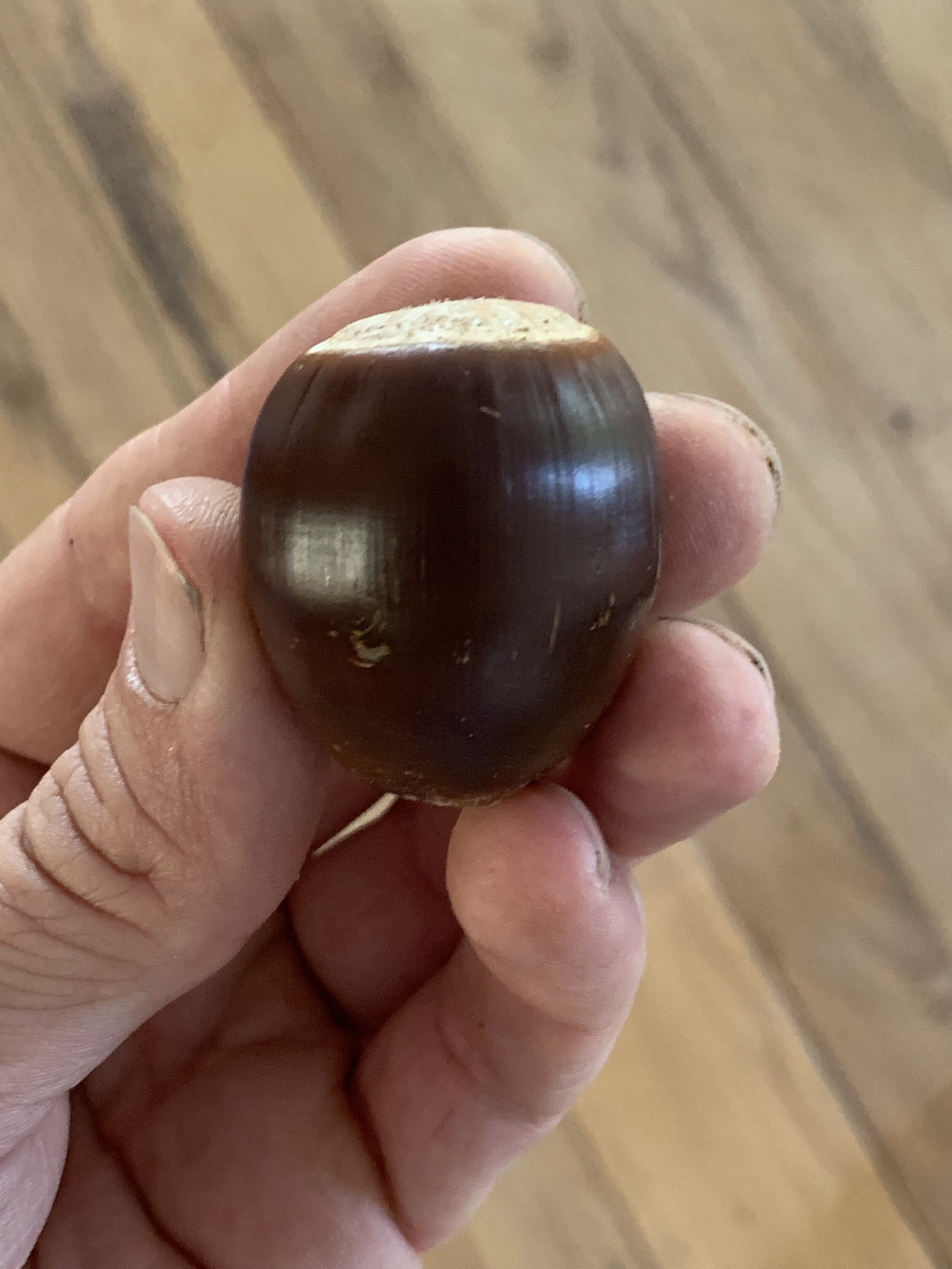
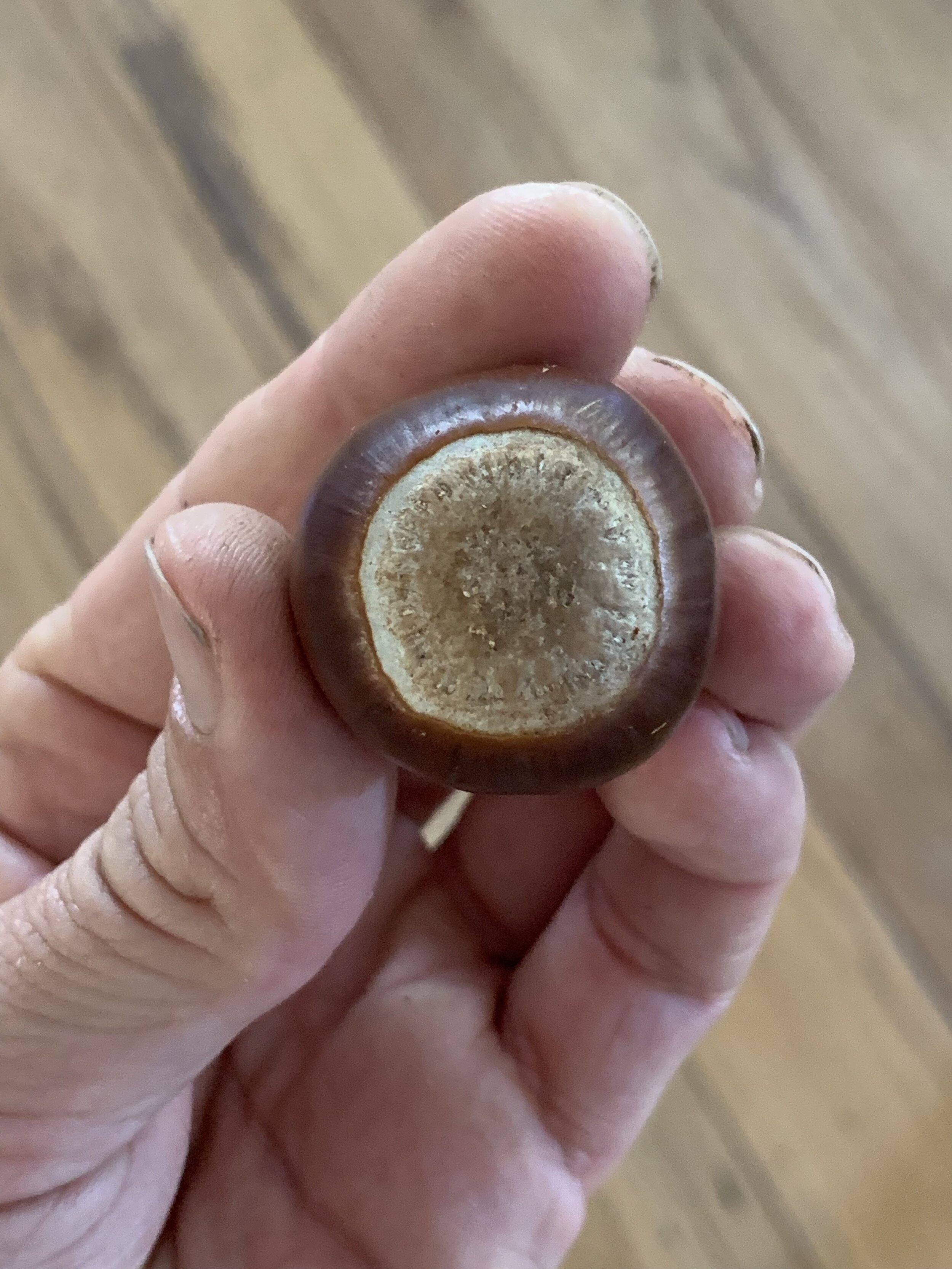
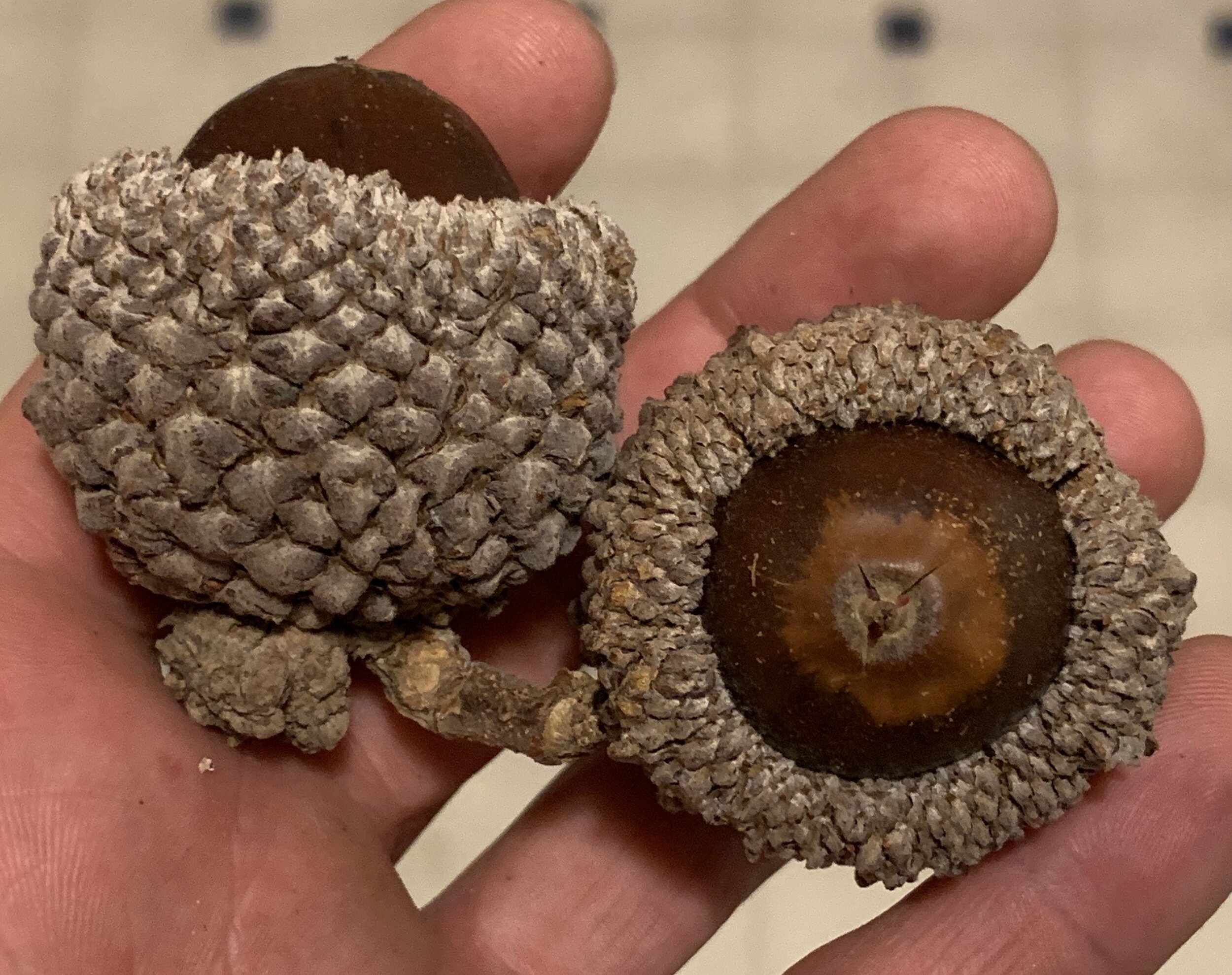
Quercus macrocarpa hybrid

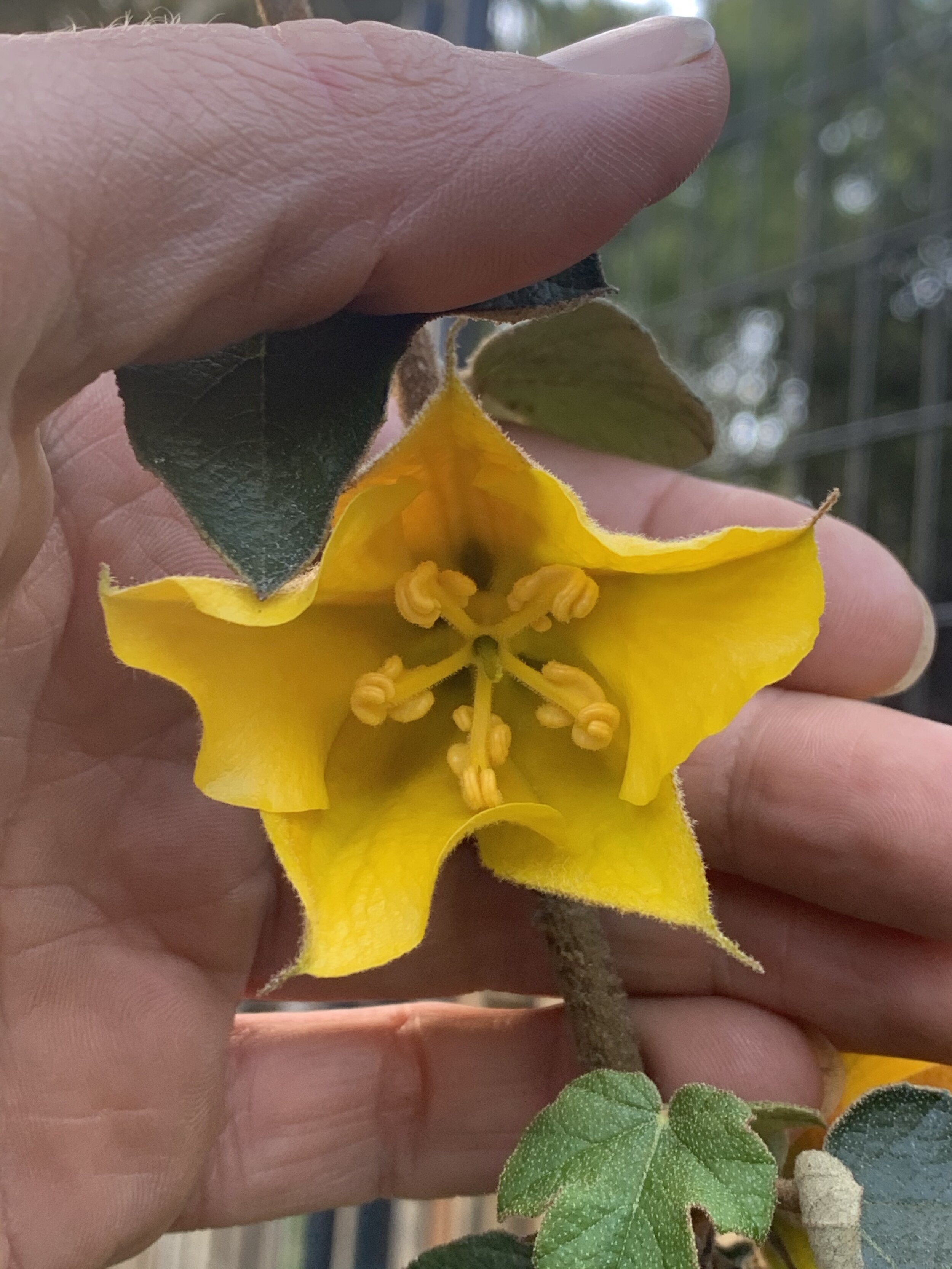
California Flannelbush - Freemontodendron californicum
Freemontodendron californicum, or California Flannelbush / Freemontia, is an ancient member of the Malvaceae family, which includes former Sterculiaceae and Bombacaceae.
Fremontia is something of a relic among California’s native species. It is a survivor from a period 60 million years ago when California was less mountainous and more tropical. Two other survivors from this same period include fan palms and ironwood trees, still found in desert climates. Freemontodendron can reportedly hybridize with Chiranthodendron pentadacylon, a fascinating tree from Mexico / Guatemala and the topic of past posts on this site.
Although its natural habitat is on rocky slopes of open chaparral or woodland between 1,200 and 6,500 feet of the coast ranges and Sierra Nevada, fremontia also does well in sunny, dry, almost sub-tropical gardens in Marin.
Freemontodendron californicum is traditional Native American medicinal plant, the inner bark's sap that was used as a topical remedy for mucous membrane irritation and for gastrointestinal upset. The wood was also used by the Californian Yokut and Kawaiisu peoples as a building and furniture material, and the bark for cordage and for nets used in acorn cache holding and snare hunting.
Don’t overwater. Excess summer water can kill this drought loving plant. A few deep waterings spaced evenly though the summer will be more then enough to establish the plant.
Cornus kousa - Kousa Dogwood
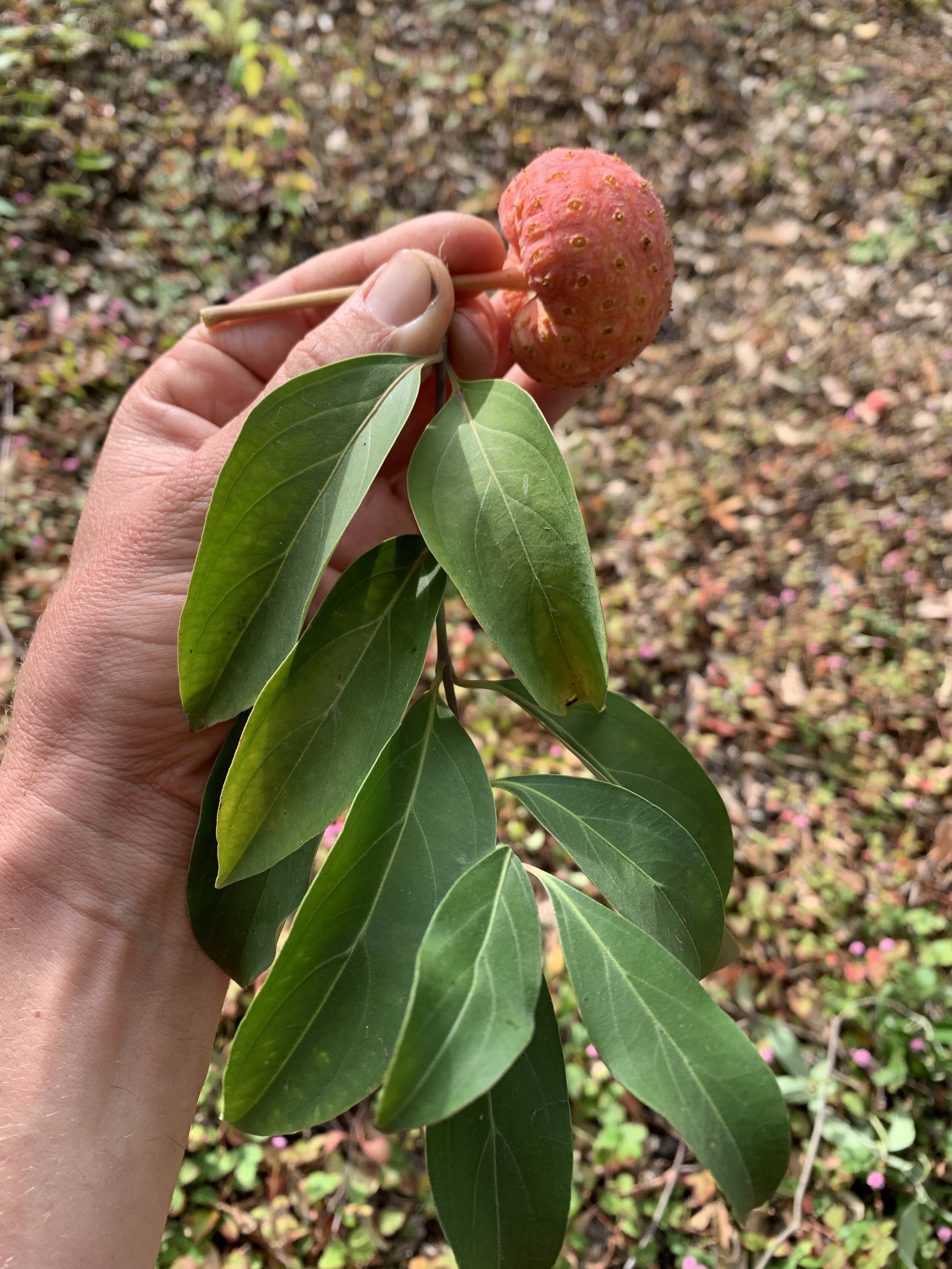
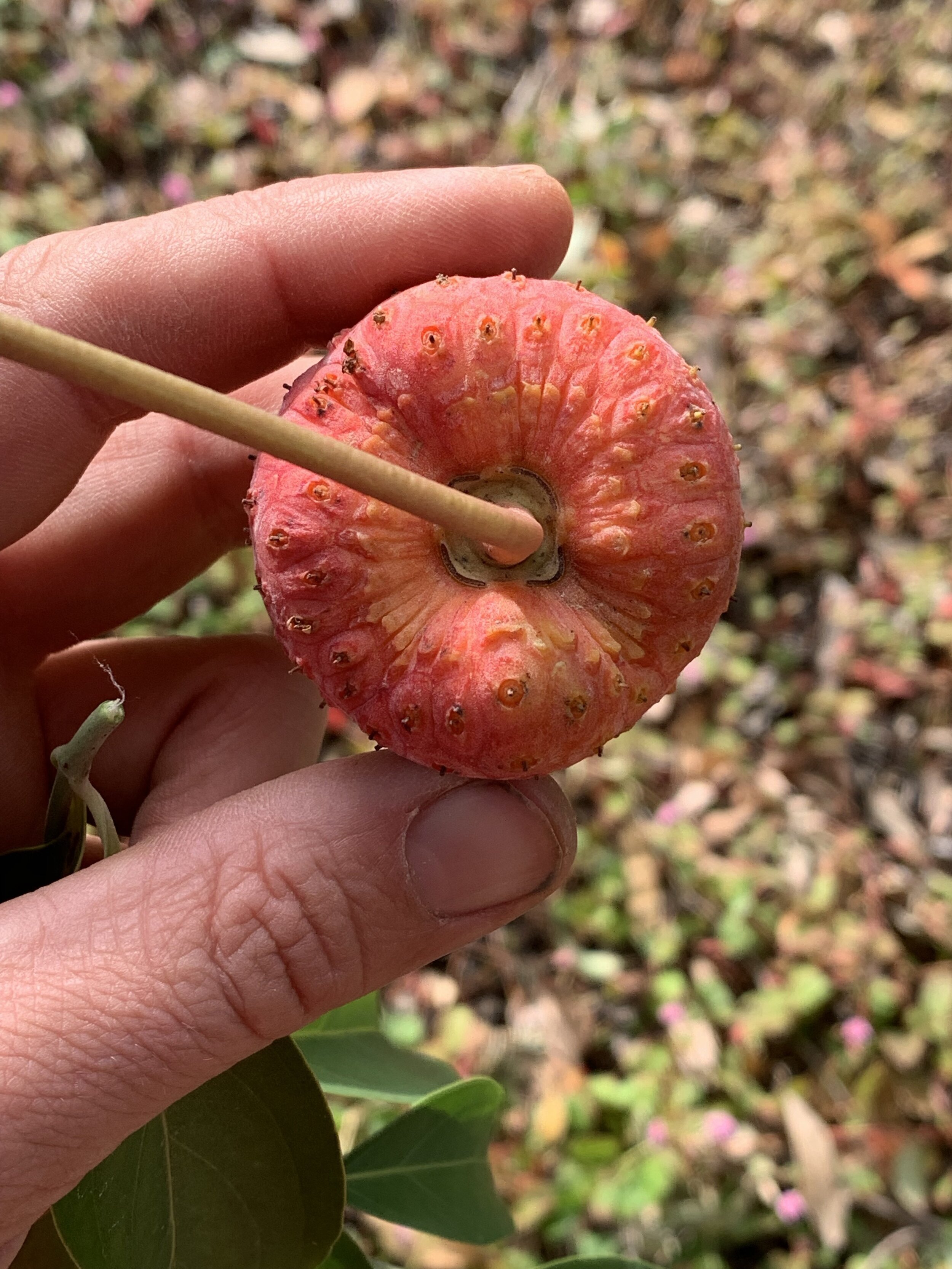
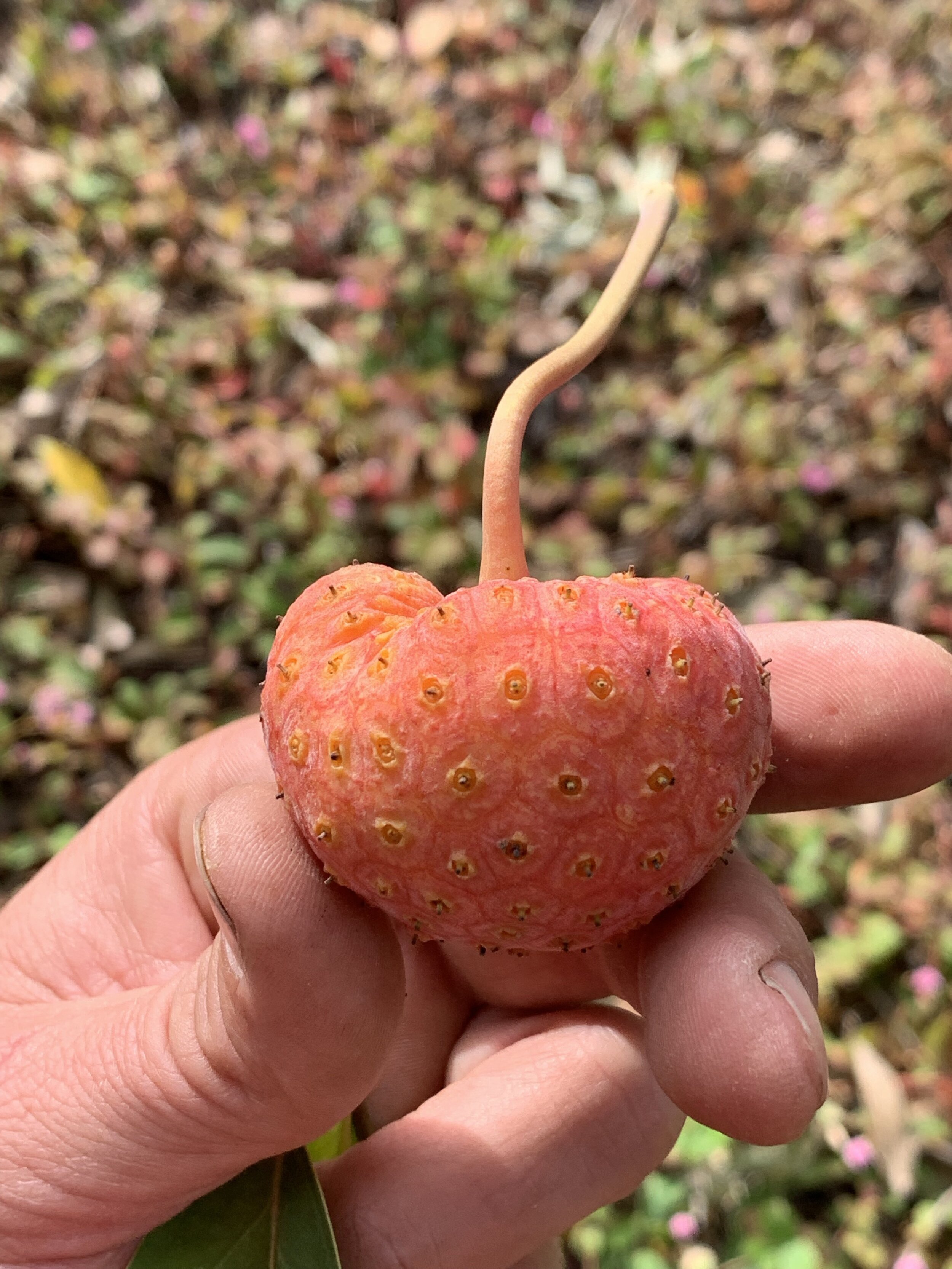
Cornus Kousa - a beautiful small tree native to east Asia, Korea, China and Japan. Trees bear an edible fruit. The thin fruit rind is best discarded as it imparts a bitter taste. The custard-like pulp can be eaten when ripe or used in jams or sauces. The fruit is not widely eaten but can be seen used as a landscape tree, in botanical gardens, etc.
Redbud - Cercis occidentalis
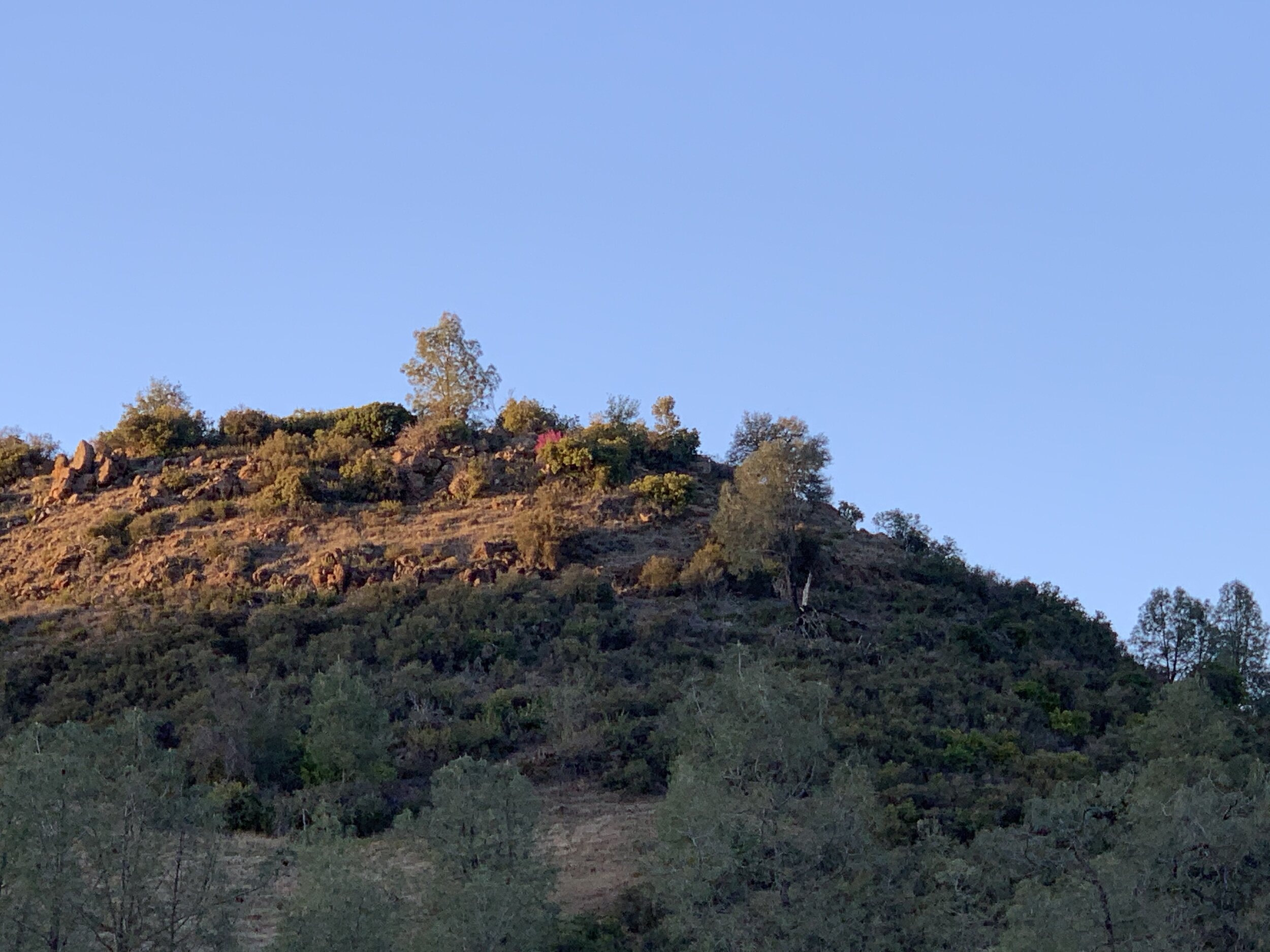
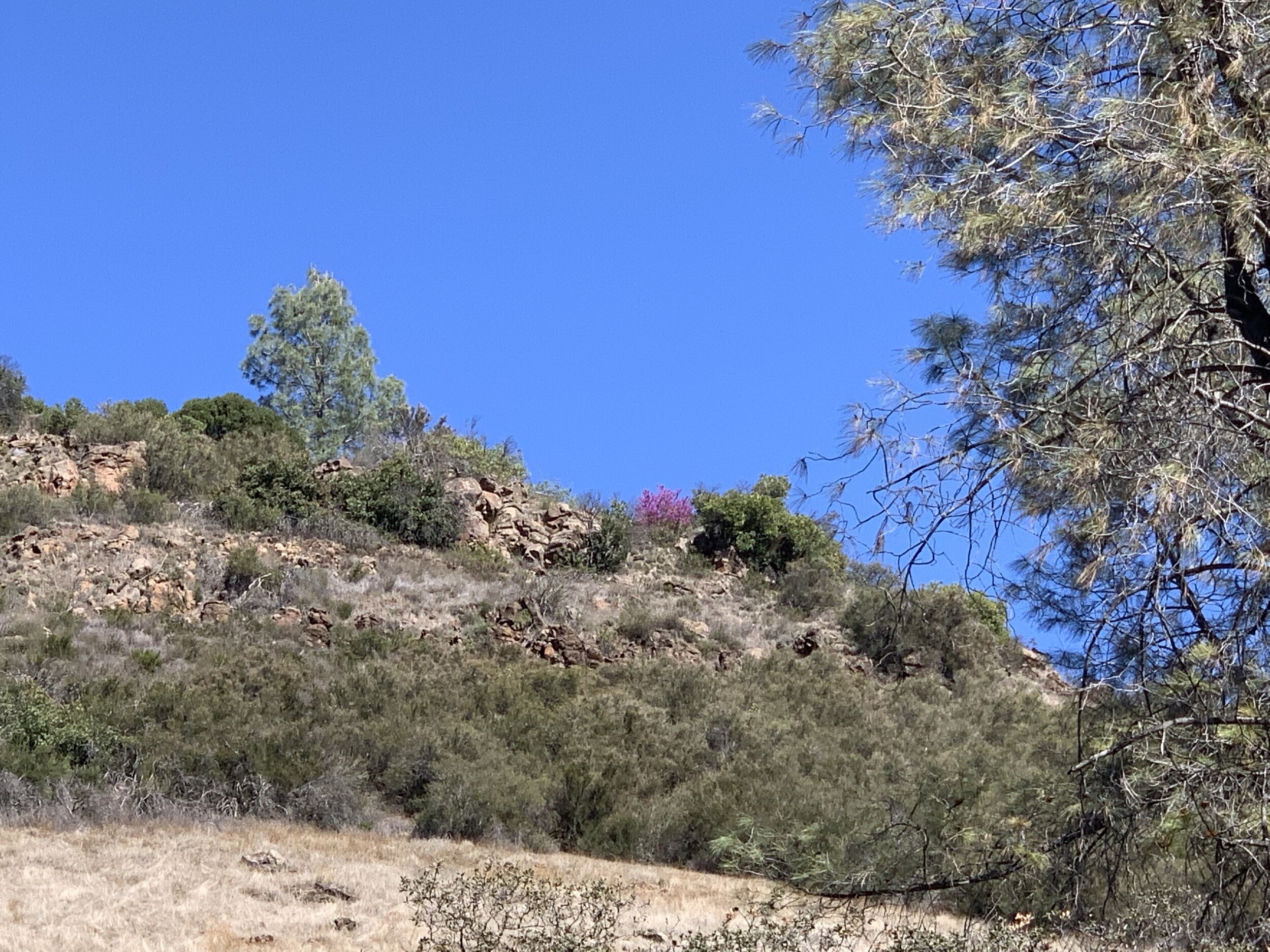
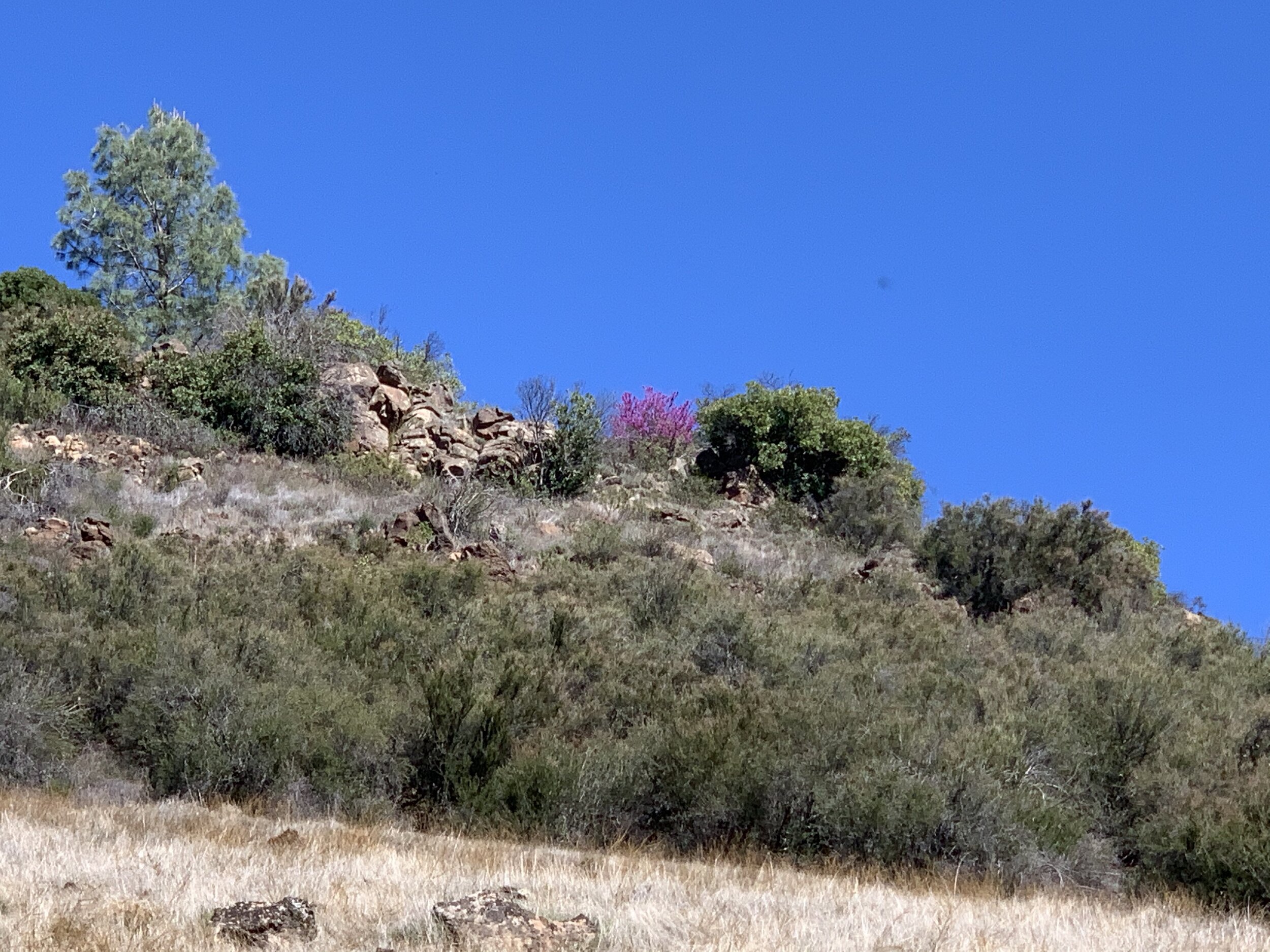
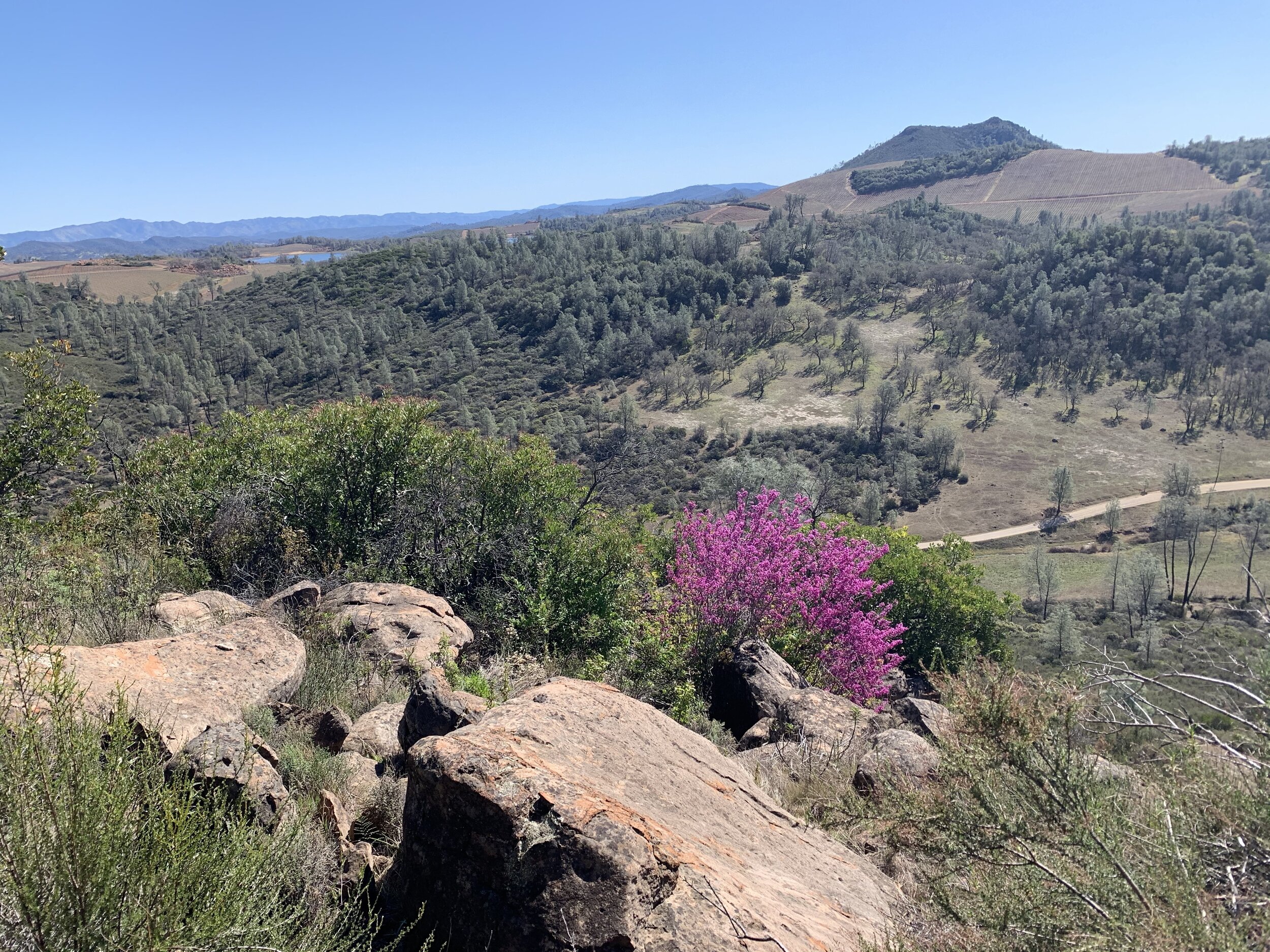
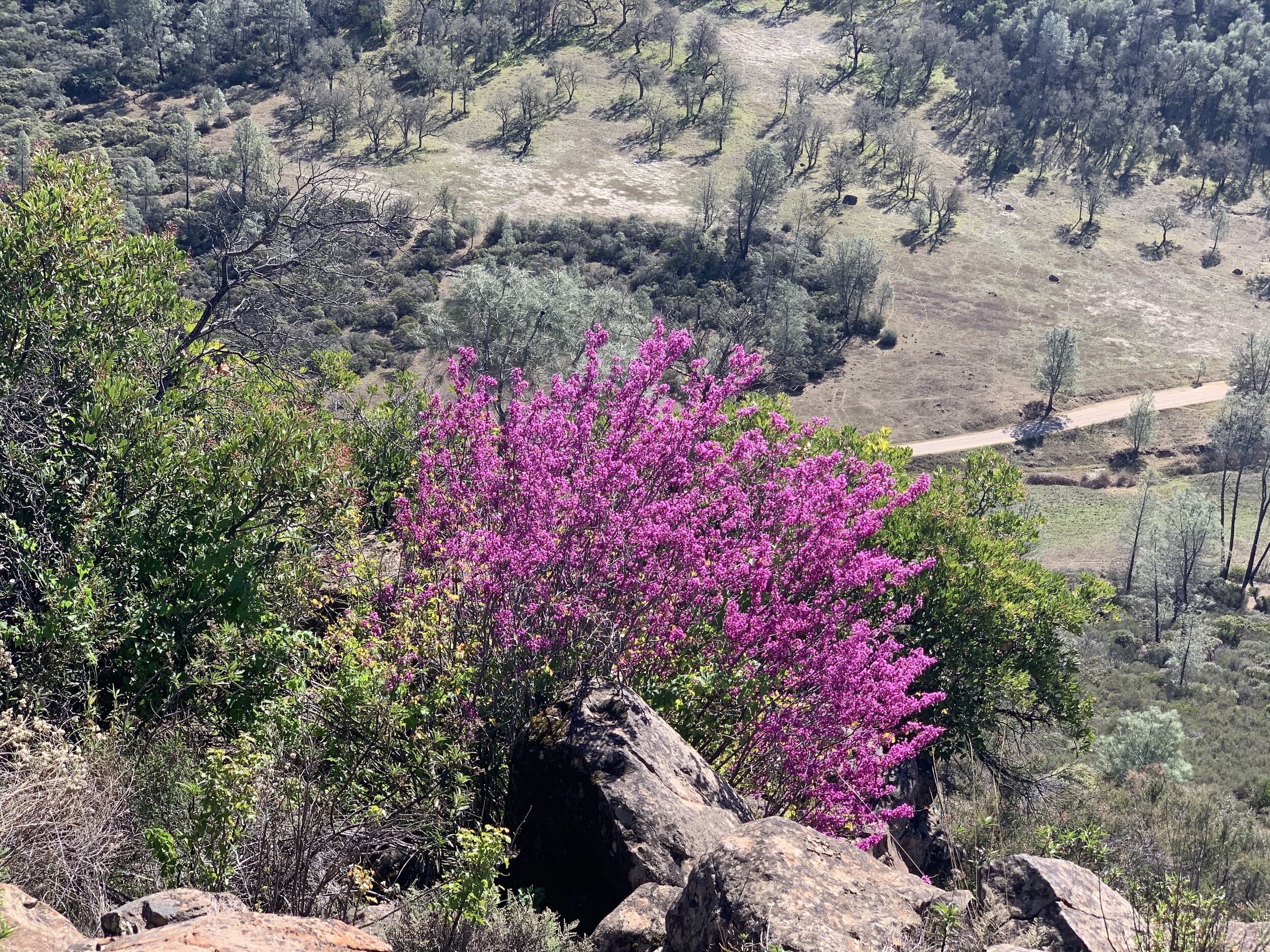
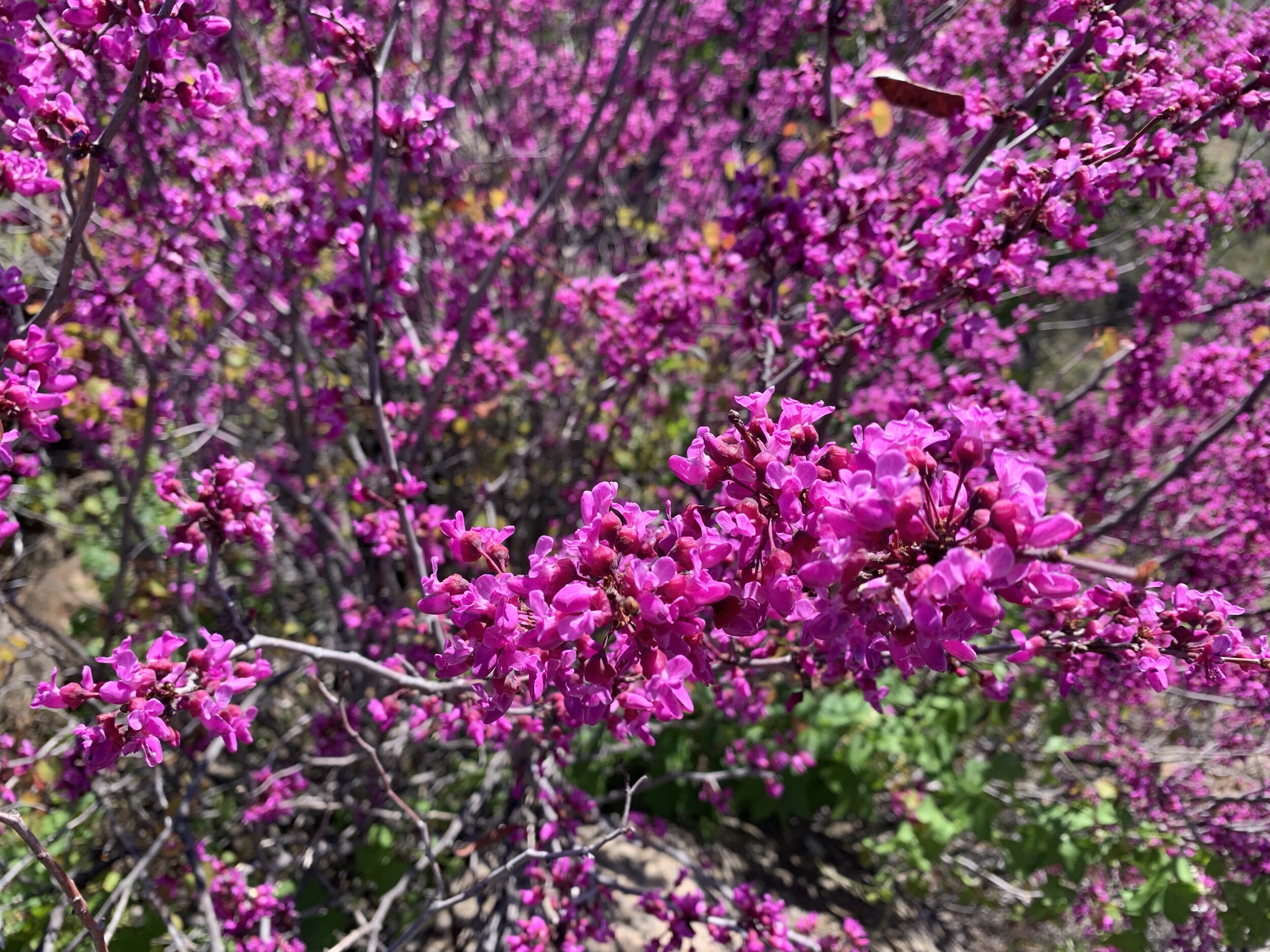
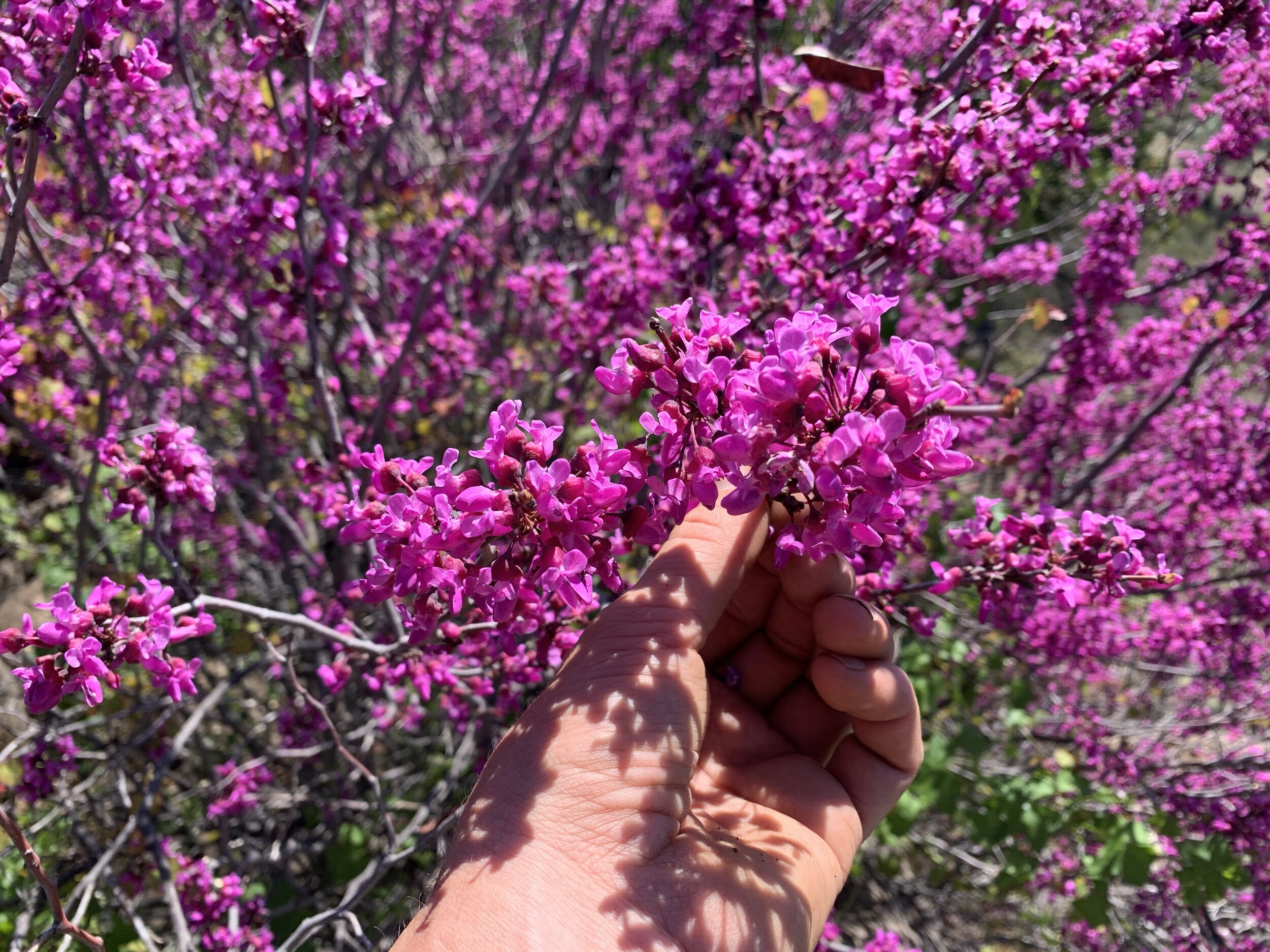
Red bud blooming in end of February / early March of this year. Seeing the shock of pink from a distance I hiked up to check this one out. A truly spectacular spring blooming native shrub. The blooming plant is covered in numerous kinds of bees and insects.

Malus toringoides - Cut-leaf Crabapple

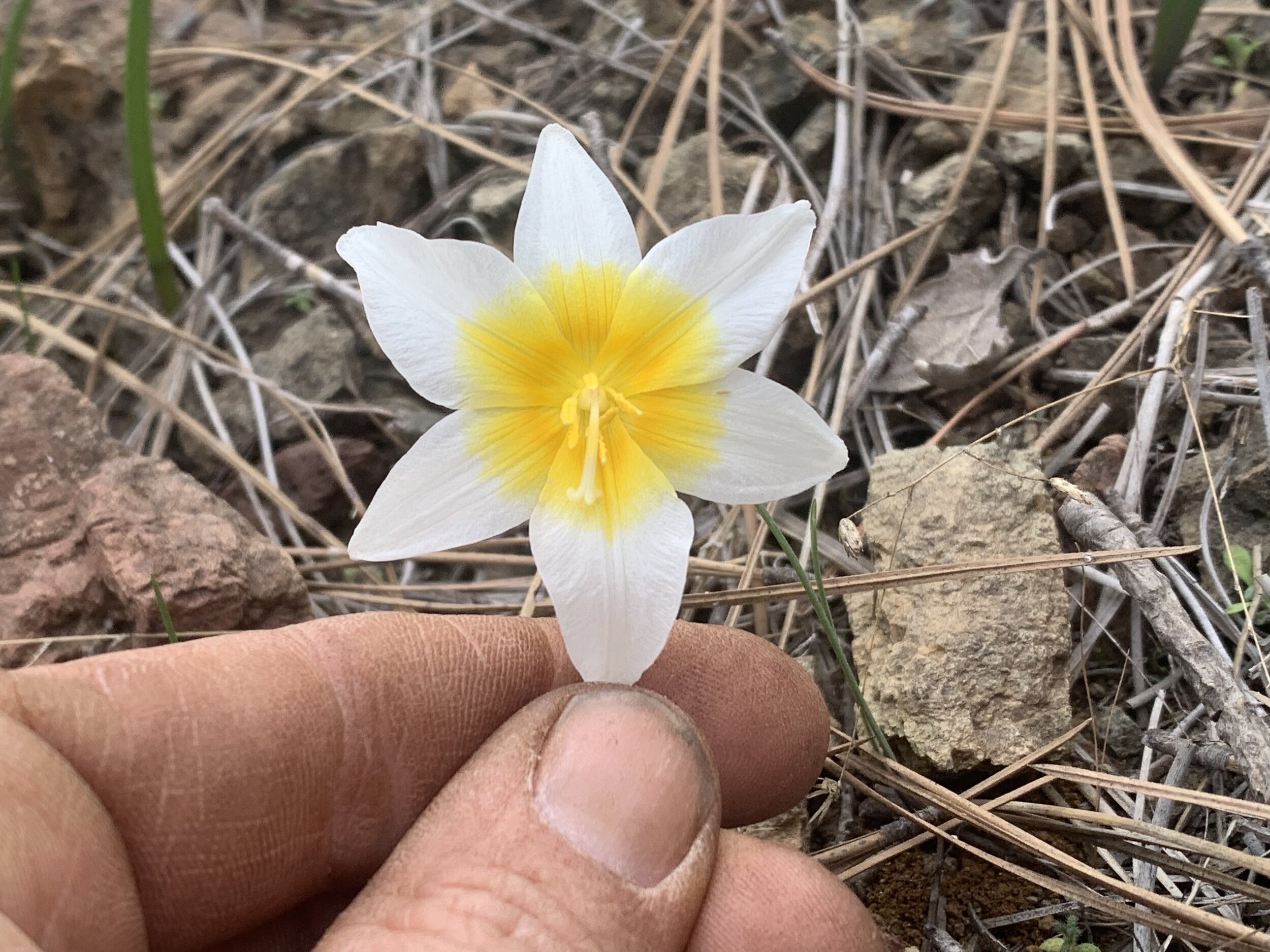
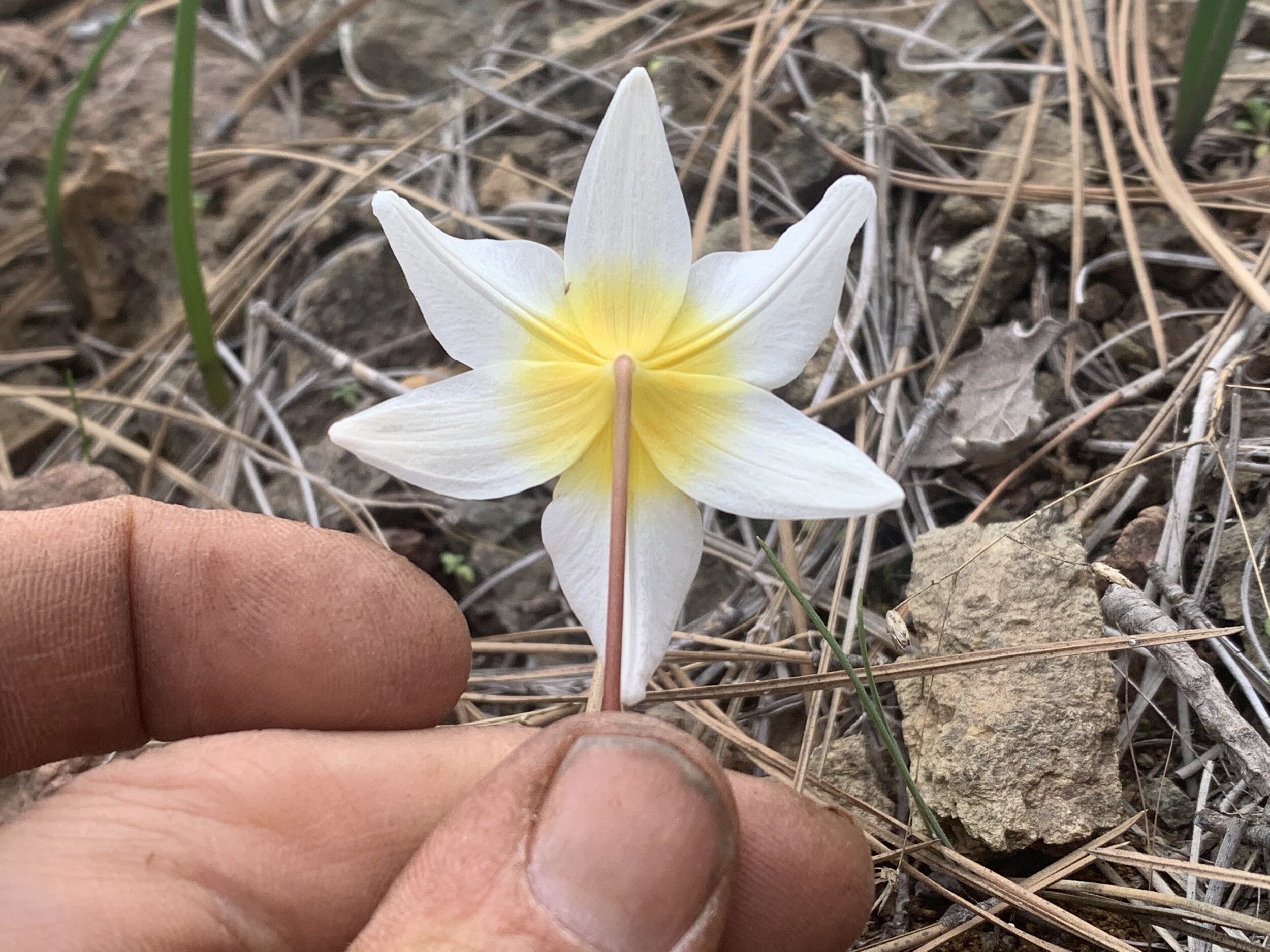
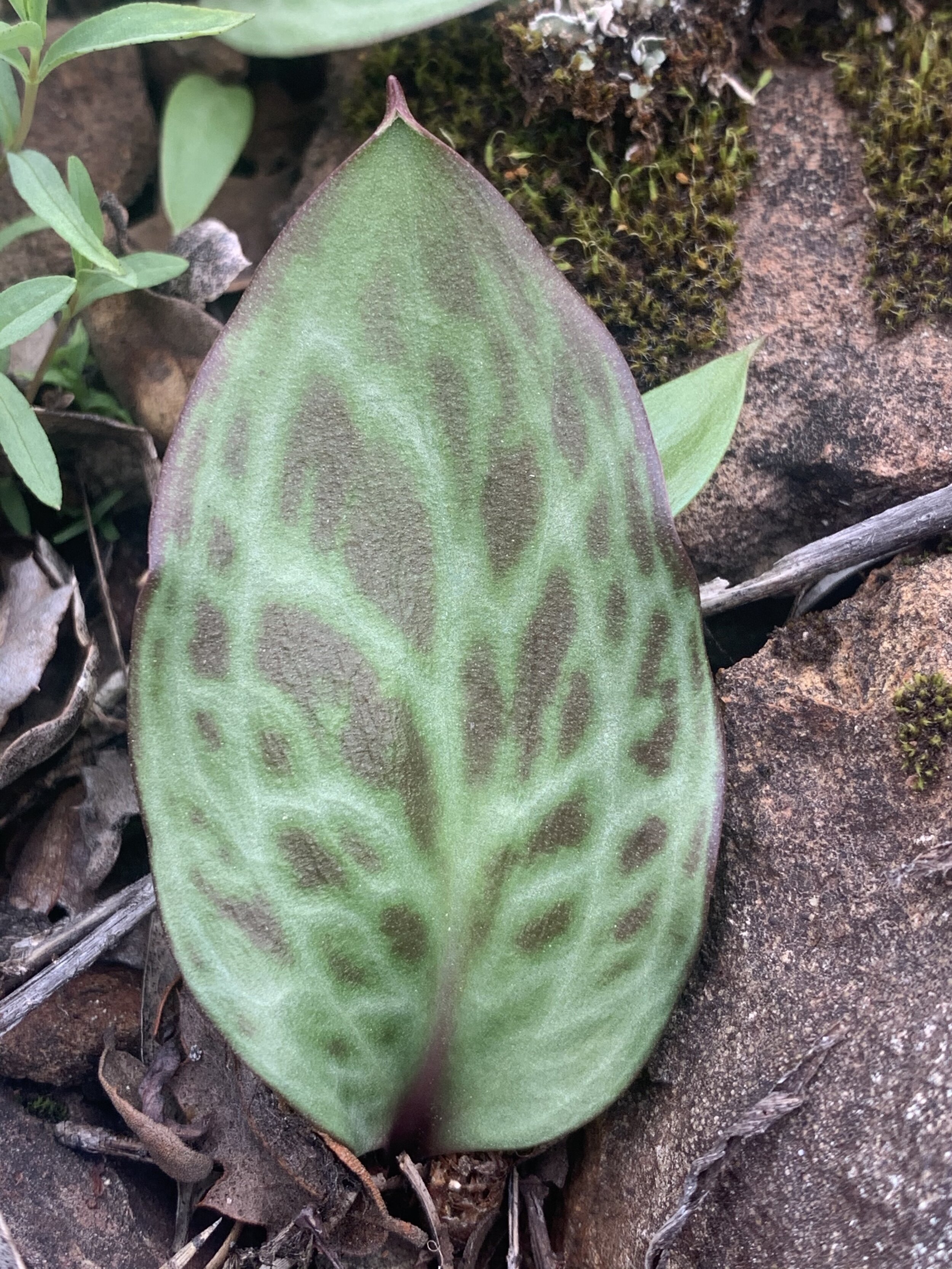
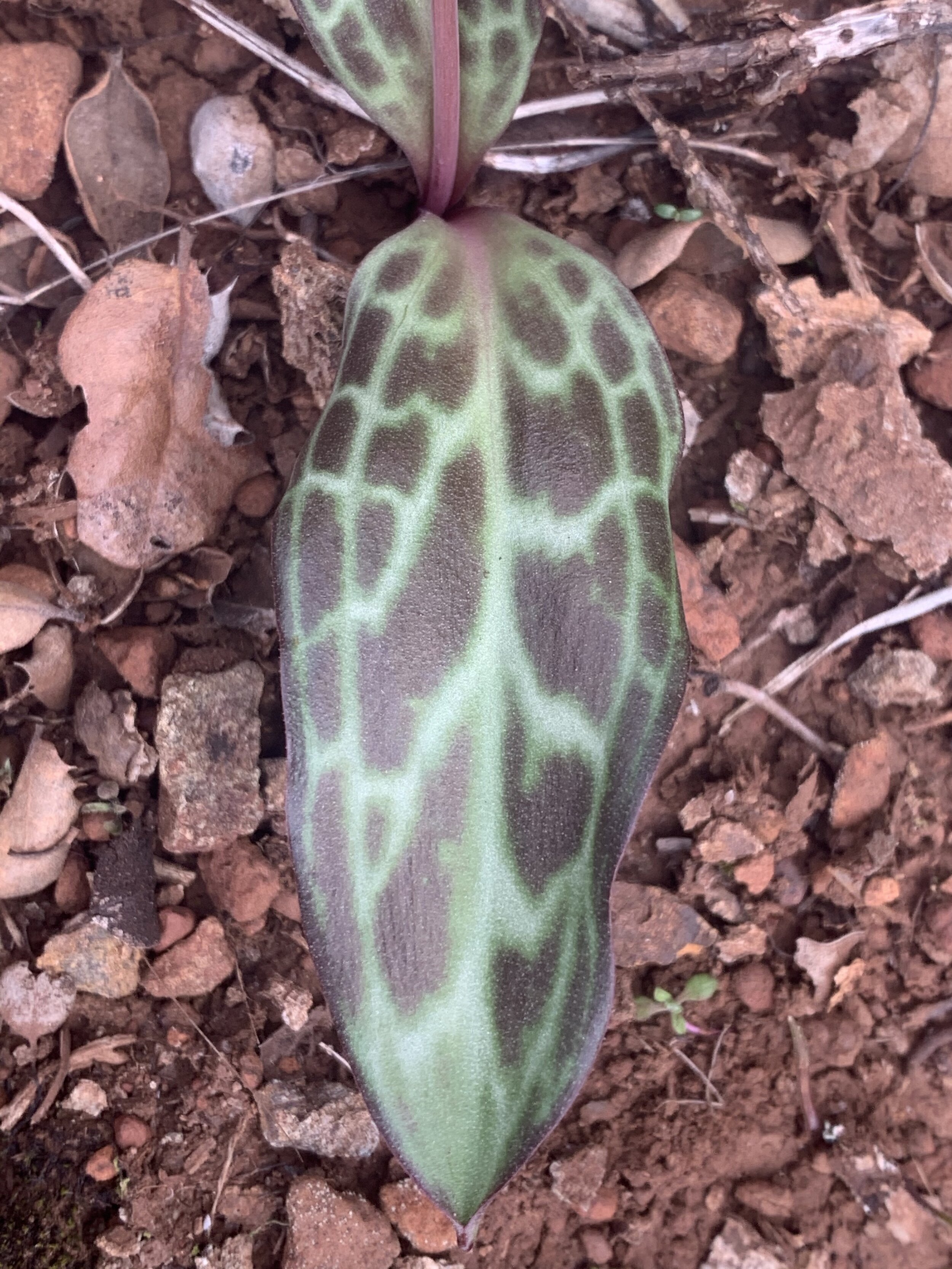
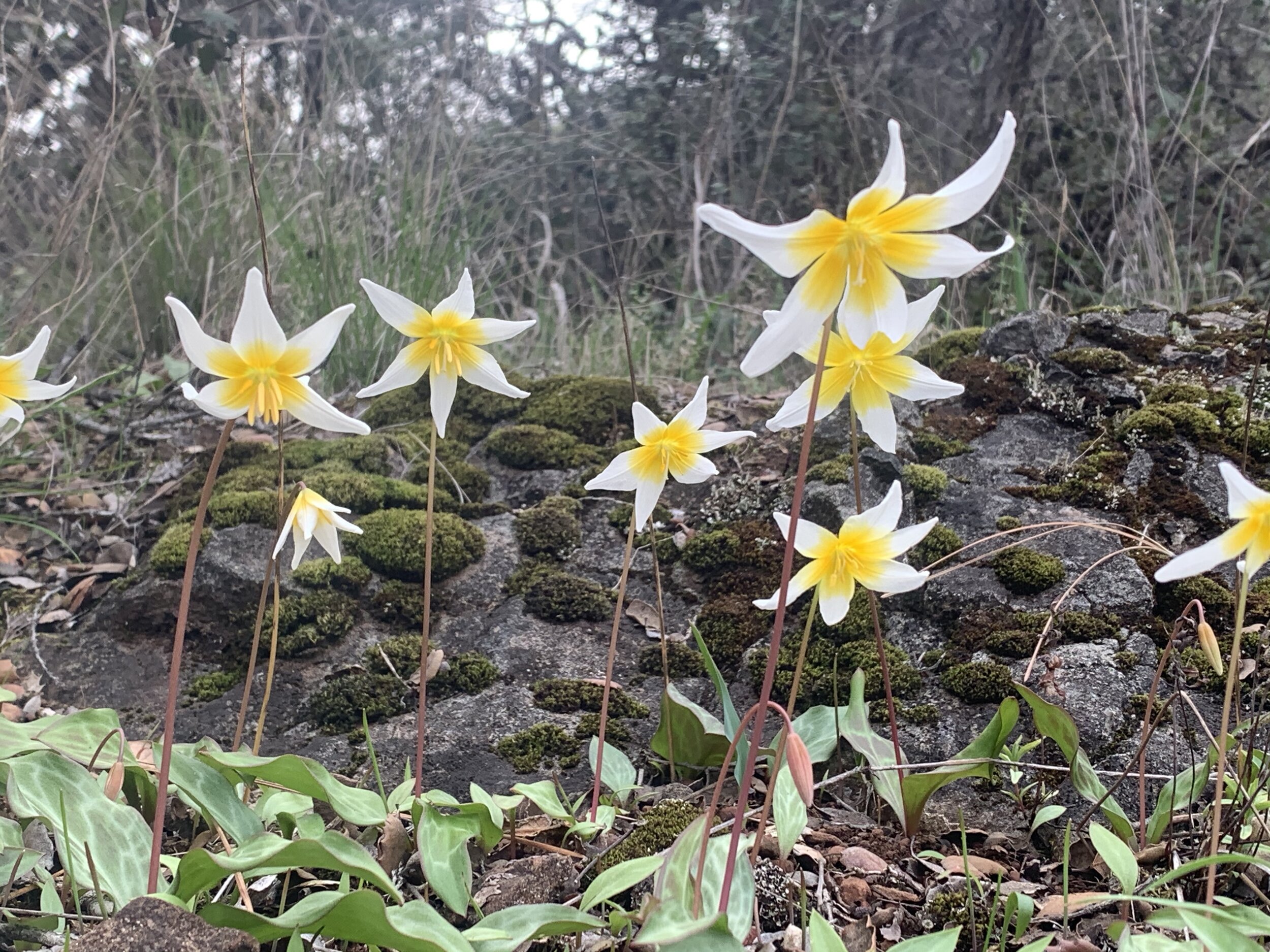
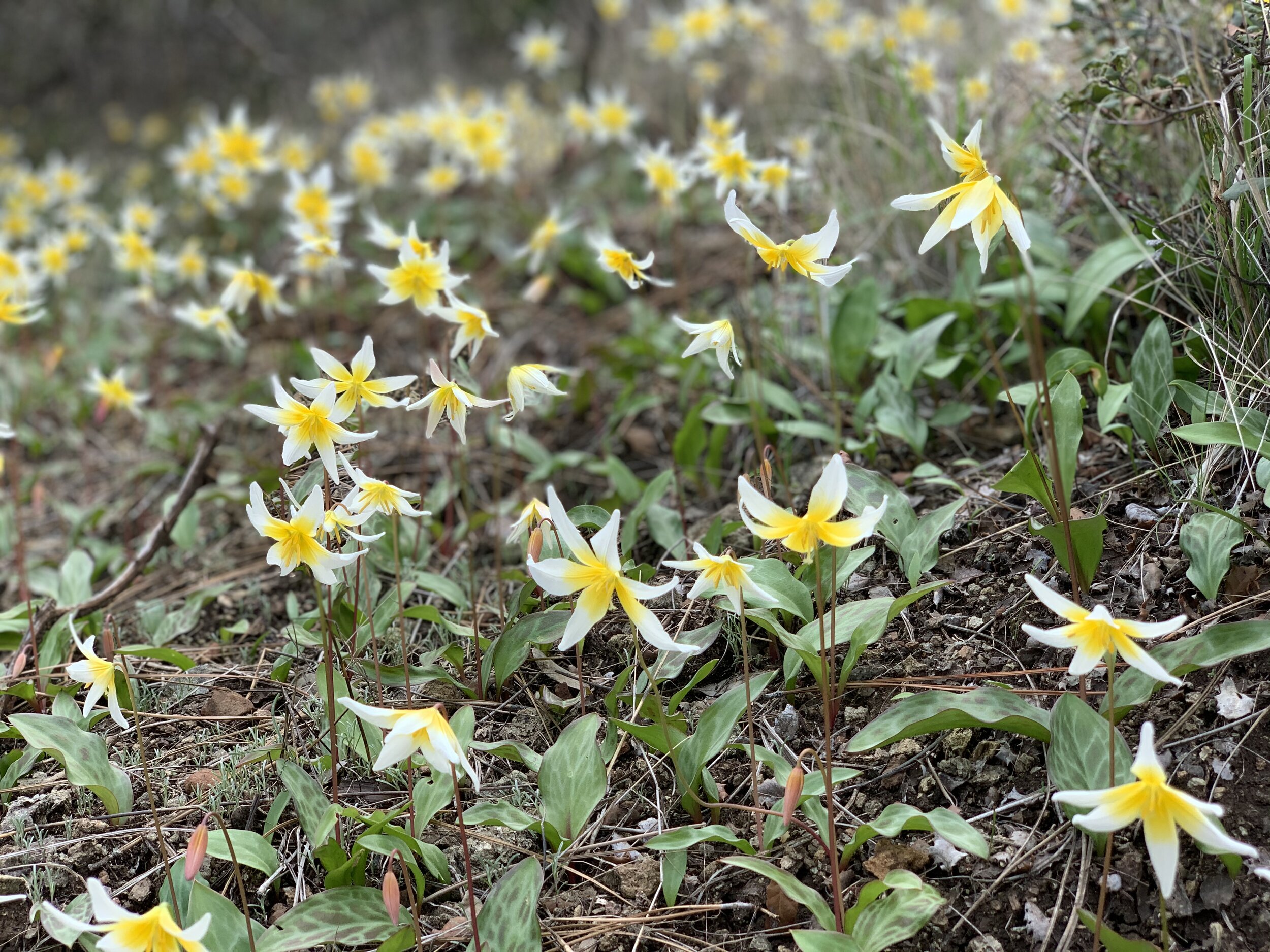
Erythronium oregonum - California Fawn Lily
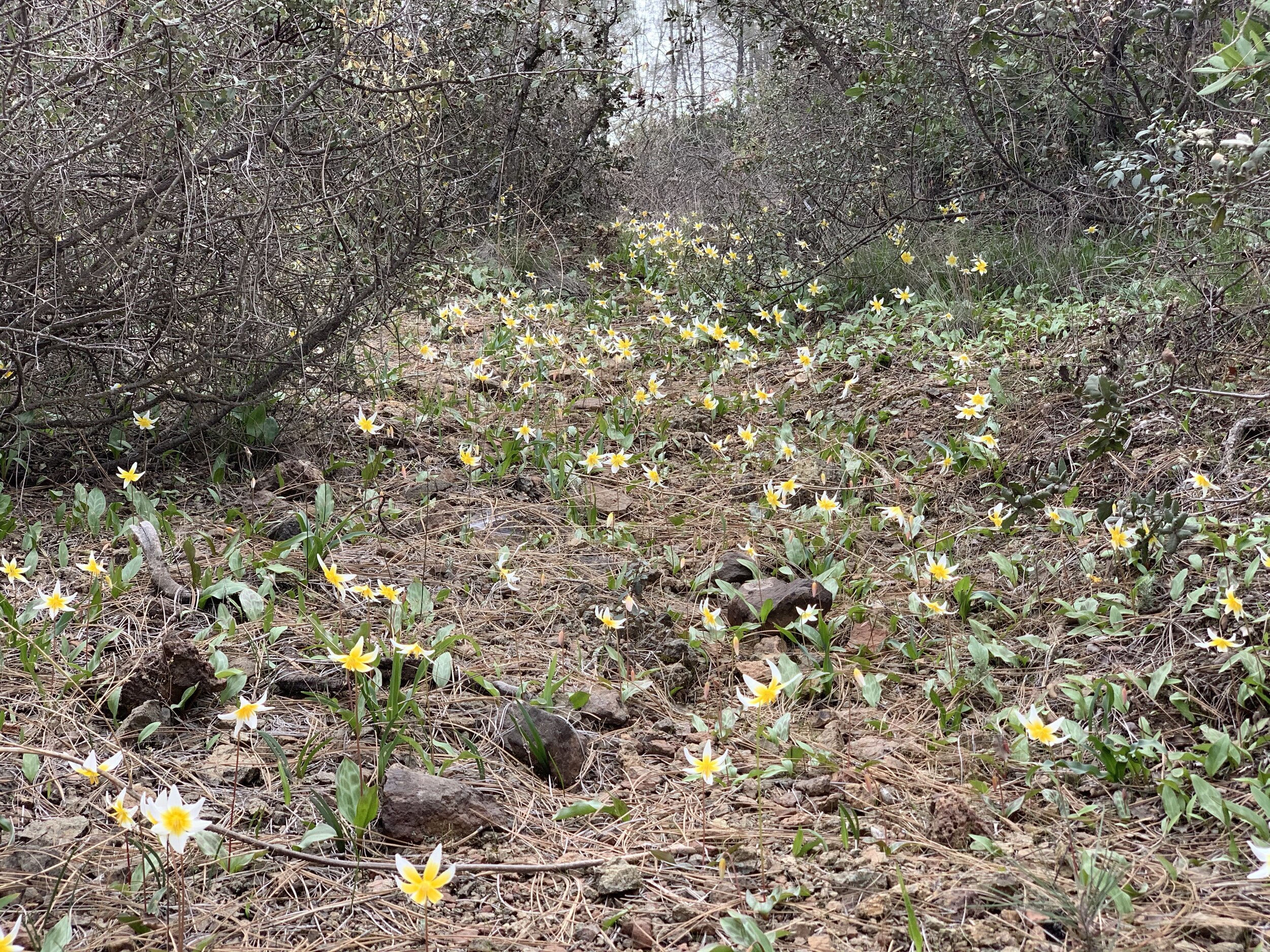
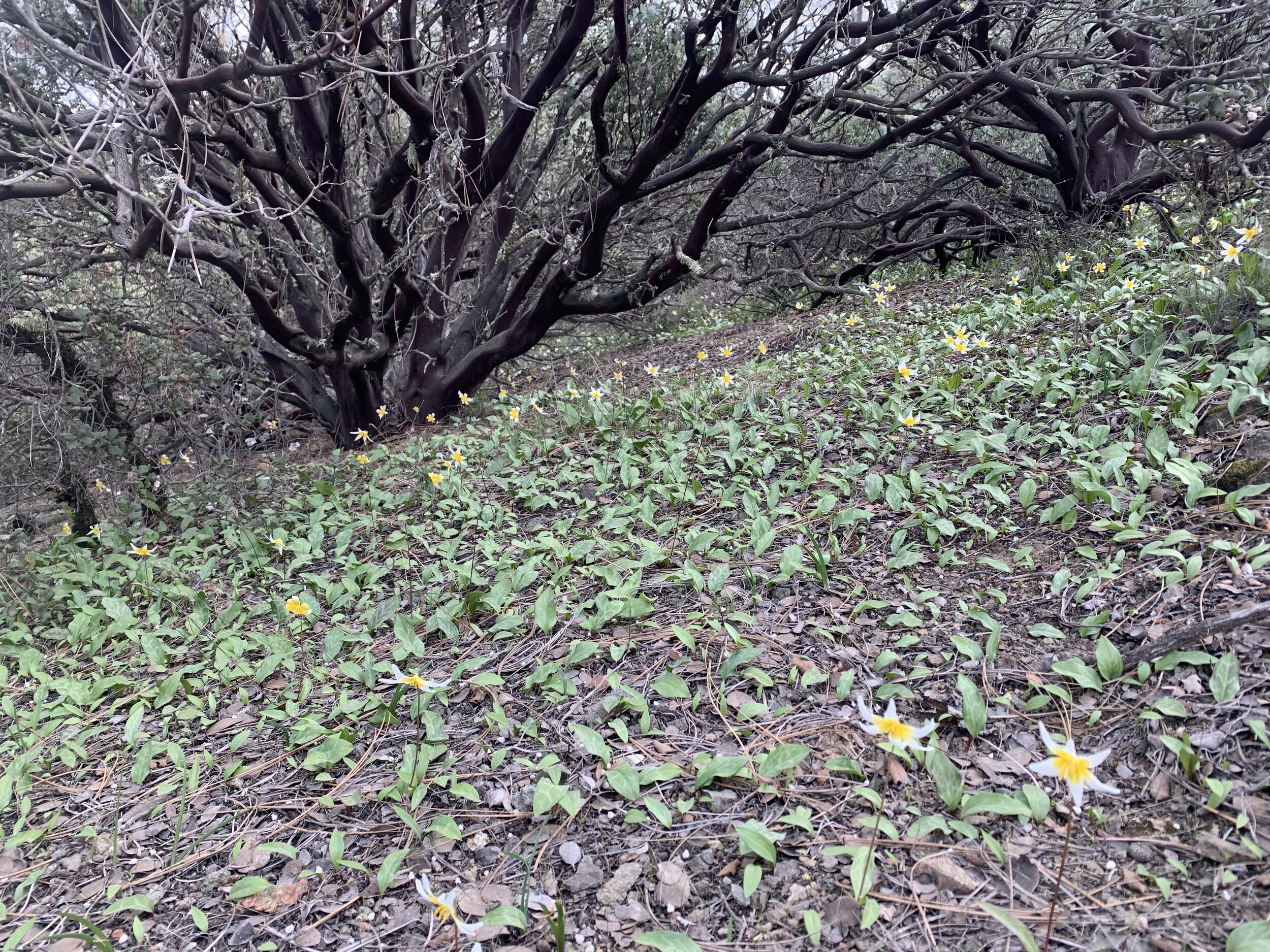
Erythronium californium is a herbaceous perennial bulb native to Northern California. I took these photos in Lake County where the highly scented flowers appear in full bloom at the end of February through March. numbering in the many thousands.
The bulbs, along with many other regional species, were an important food source for indigenous peoples. The bulb populations we see today are remnants of previously managed and far more extensive traditional food and land management systems.
The area depicted in these photos consists of semi-dense chaparral consisting primarily of Manzanita, Heteromeles, and Quercus (duration) along with Umbellaria californica, CThe Erythronium appears in profusion, as shown below, in the understory. The bulb seems to co-exist along side a healthy gopher population, which, reportedly, can aid in the dissemination of bulblets .
Other important genera of edible neophytes widely consumed in pre-contact California include Allium, Brodiaea, Camassia, Chlorogalum, Calochortus, Dichelostemma, Lilium, Lomatium, Perideridia, Sanicula, and Triteleia.
Aesculus California (Ca Buckeye) late winter bud
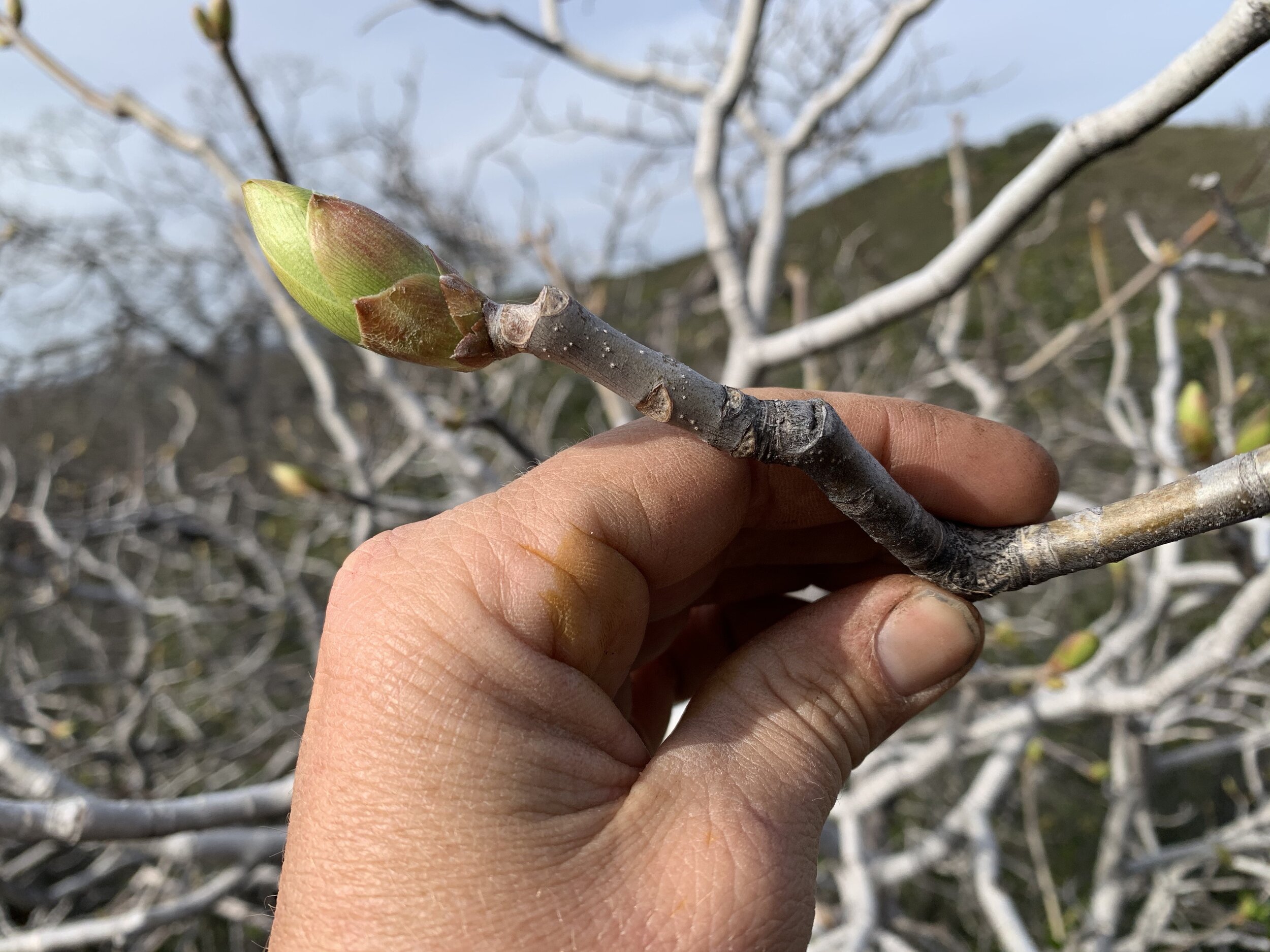
California Buckeye are one of the first deciduous trees to leaf out in late winter / early spring. This is a photo of a swollen bud, close to flushing out.